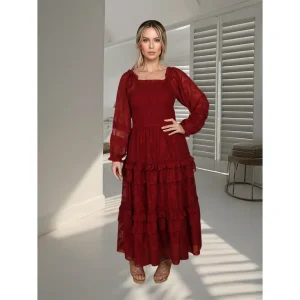
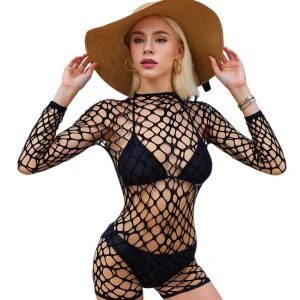
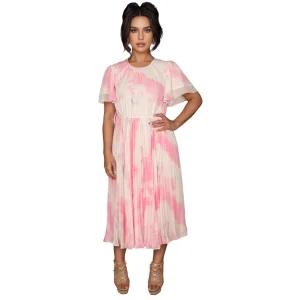
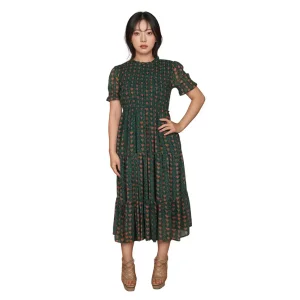
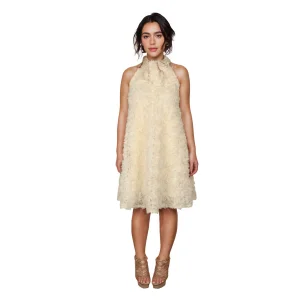
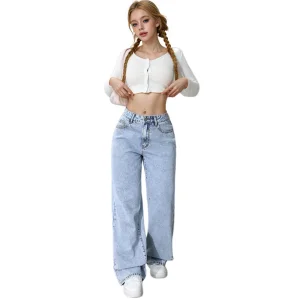
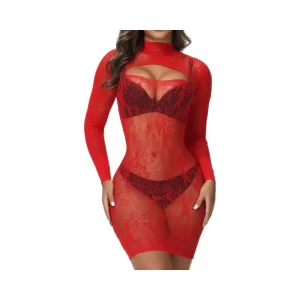
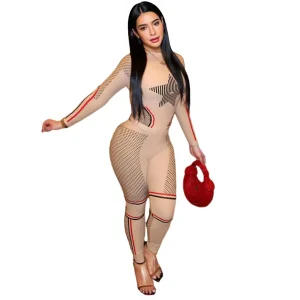
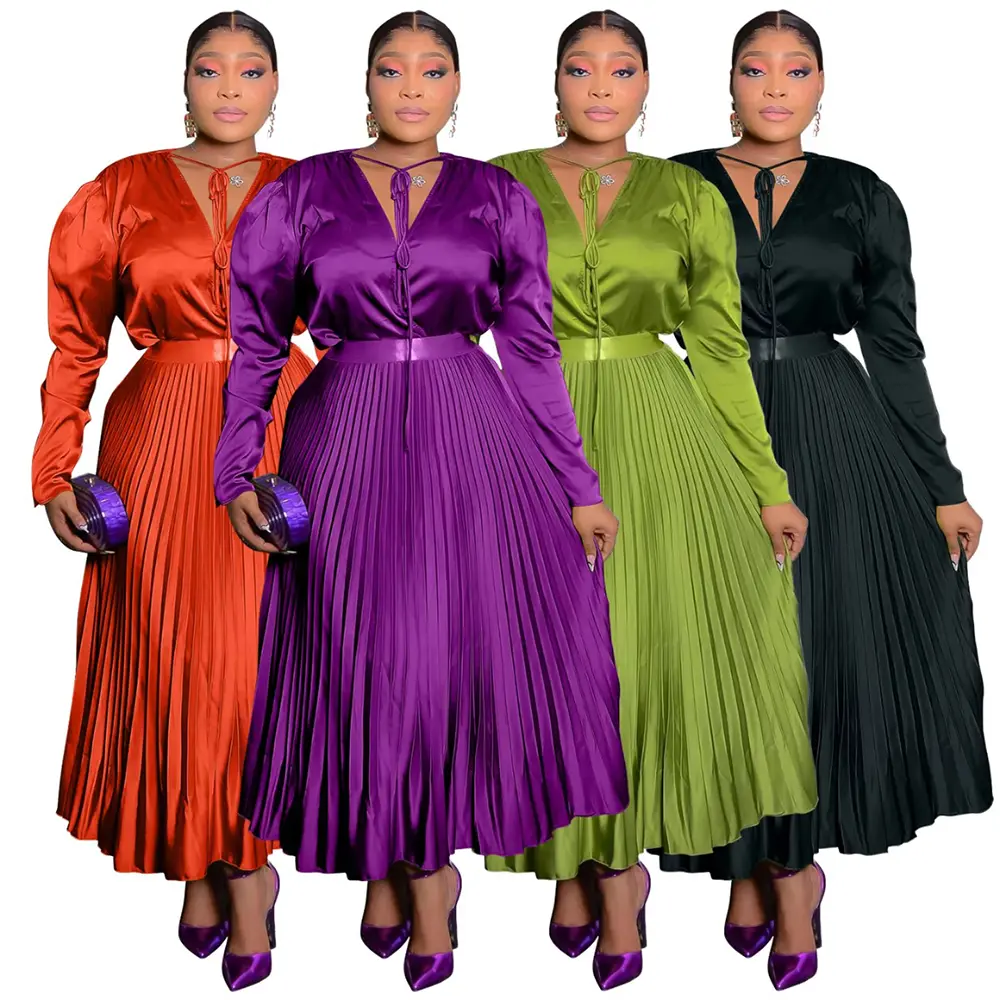
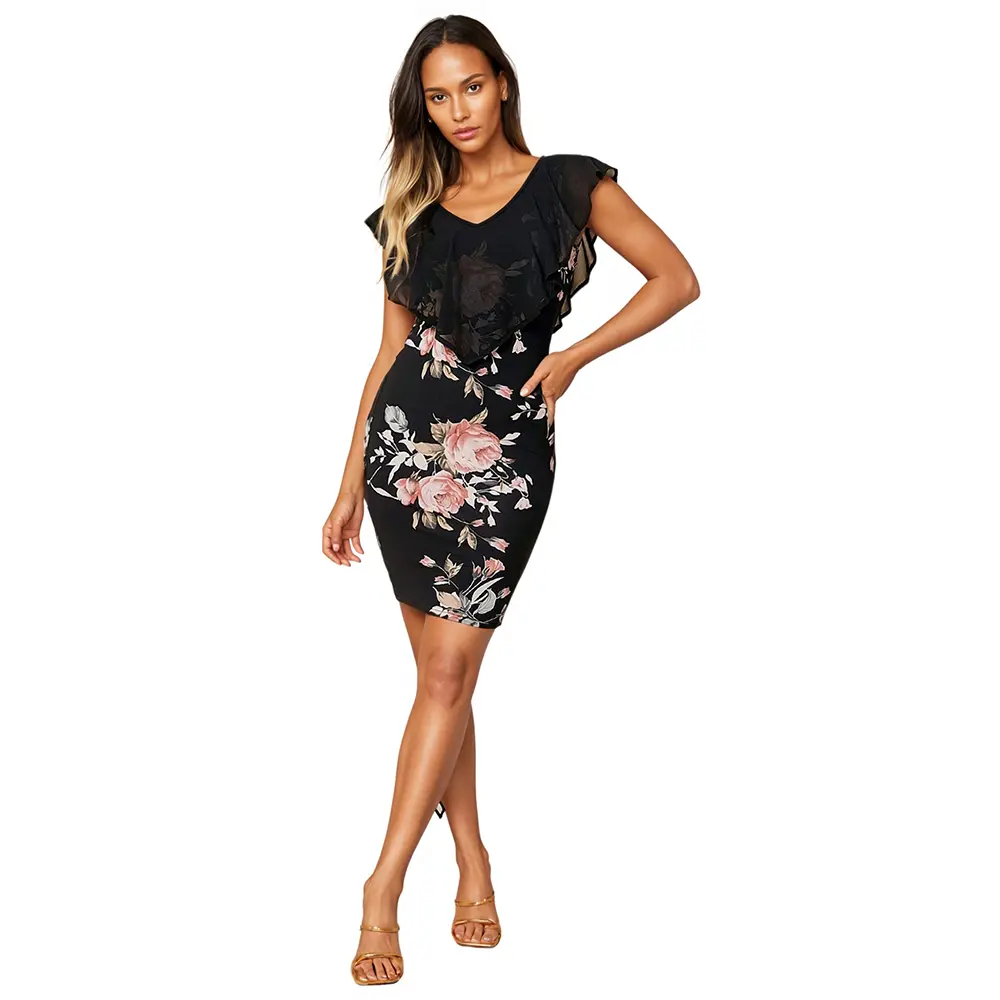
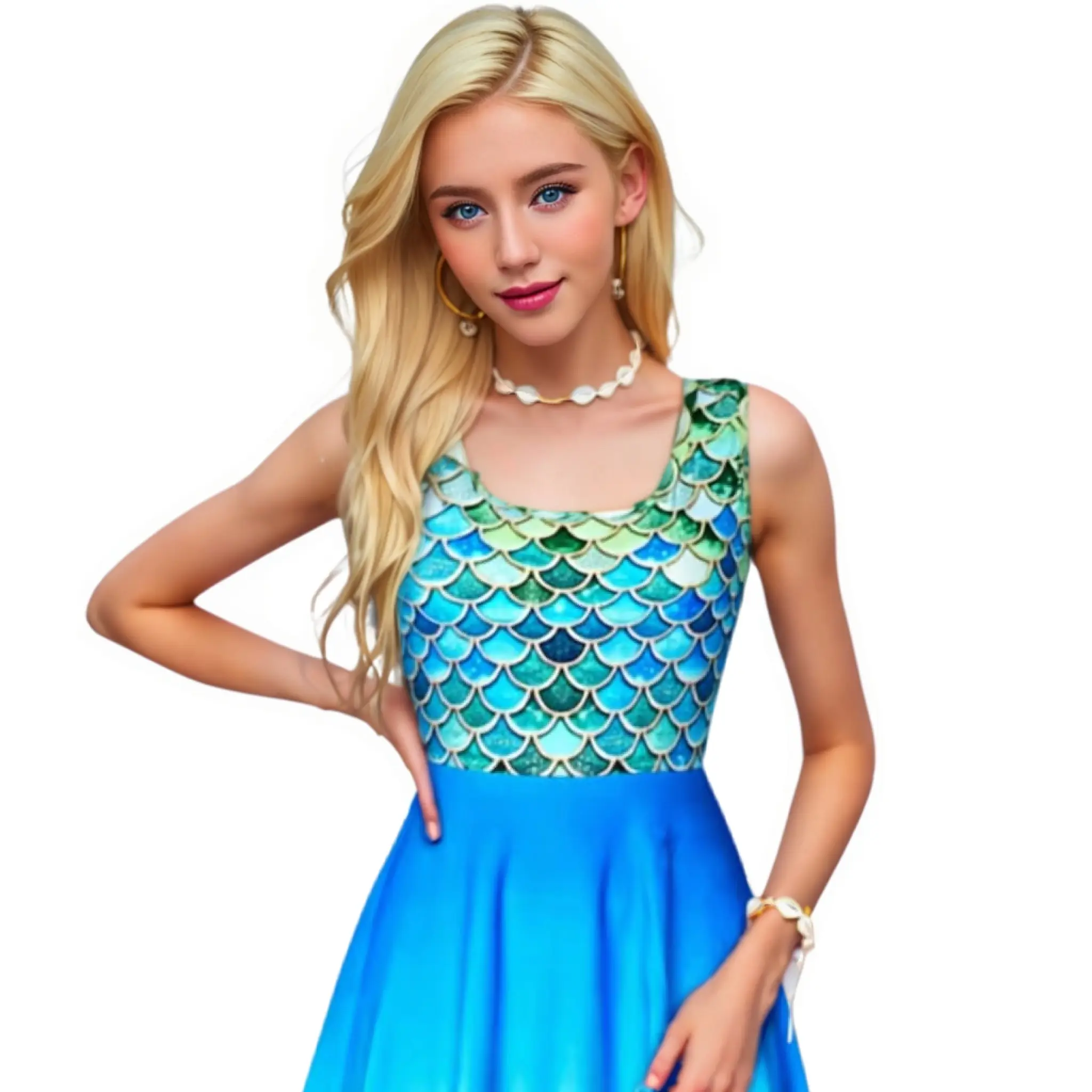
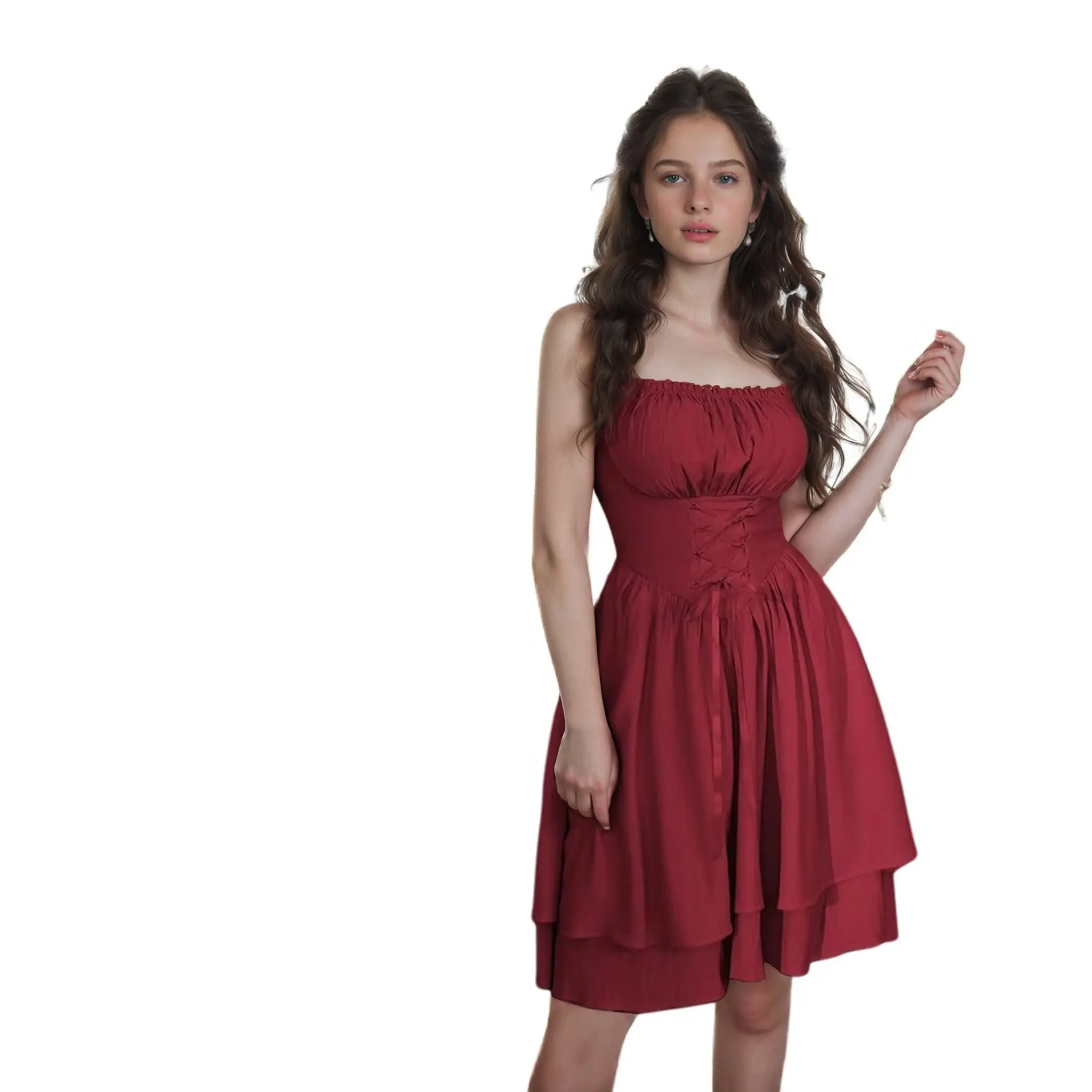
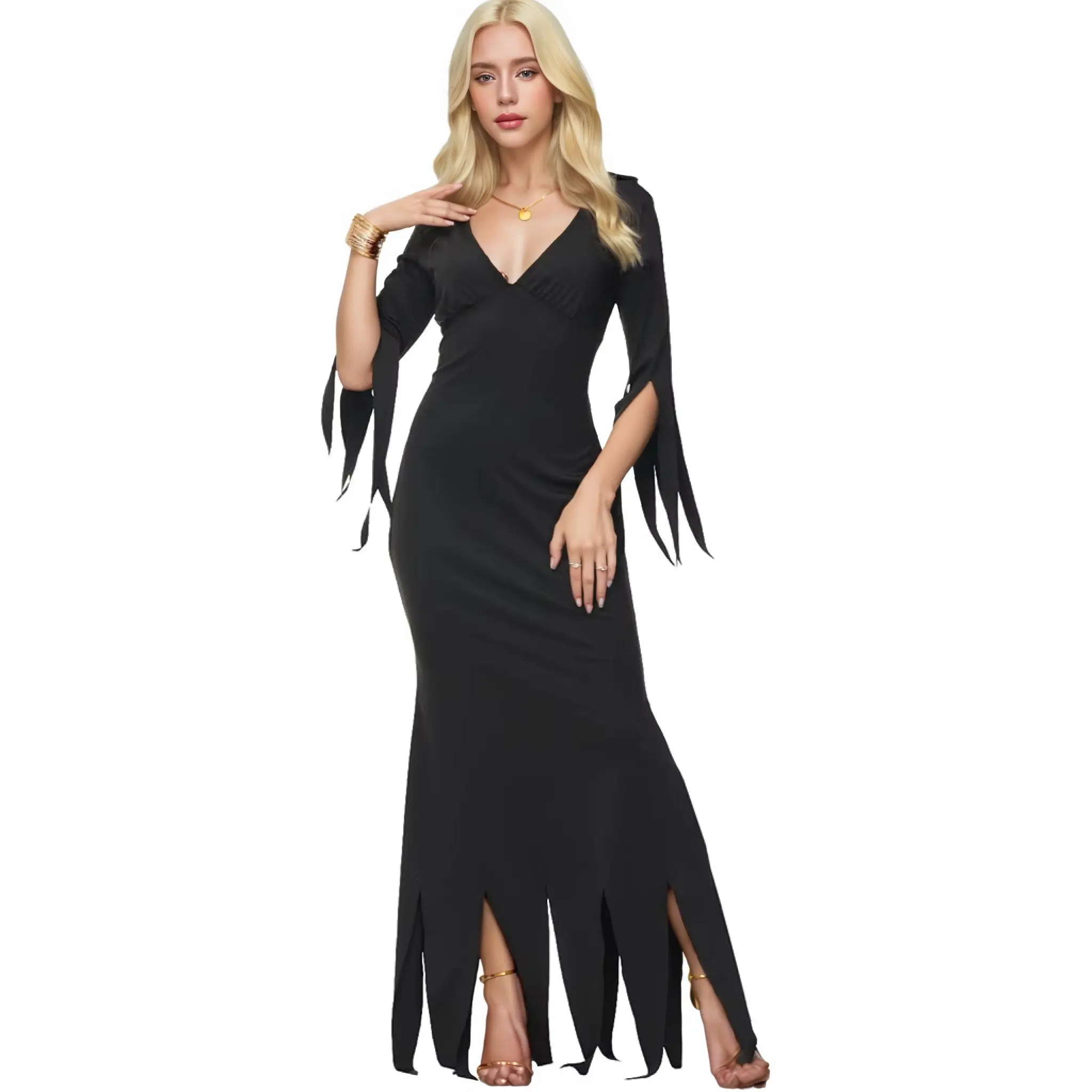
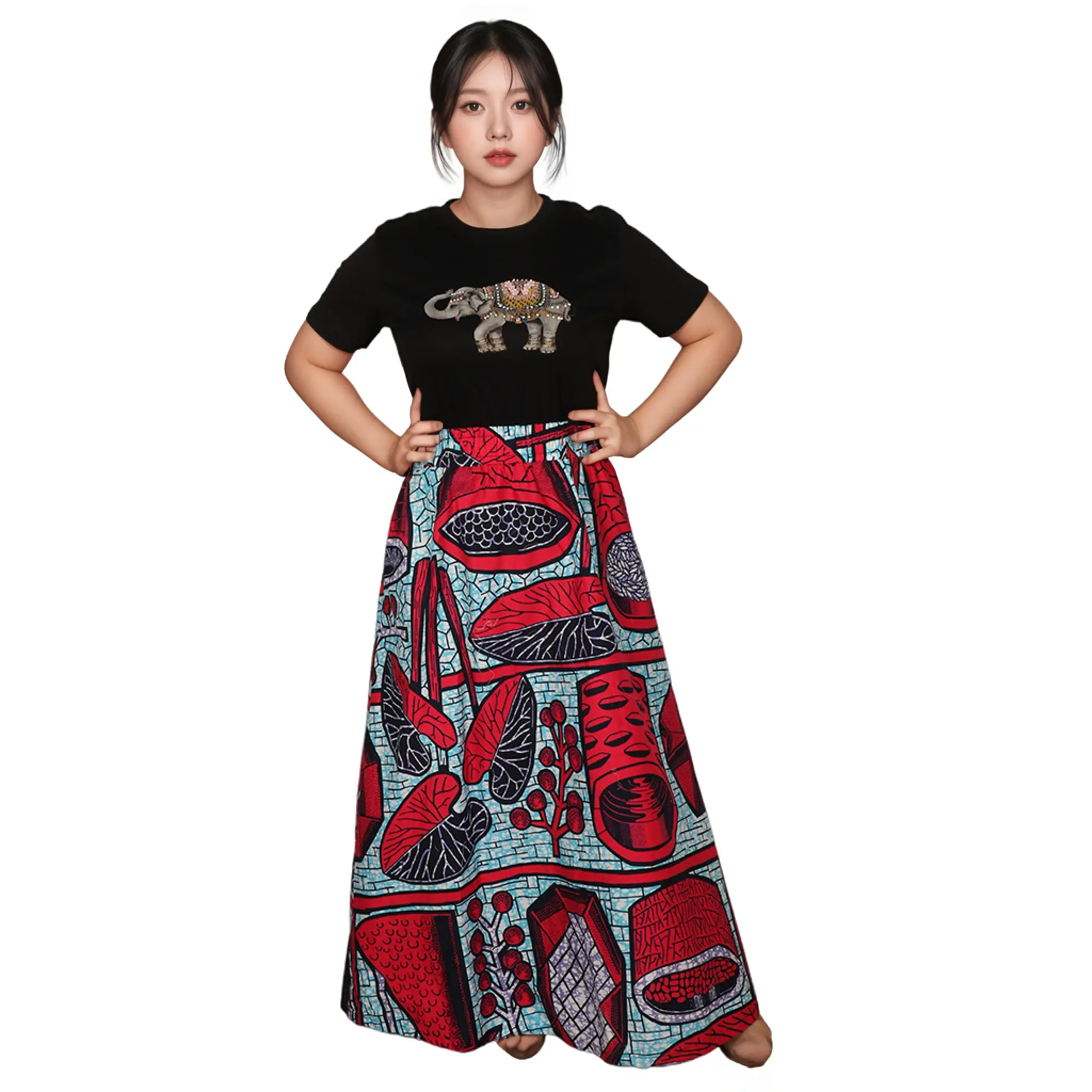
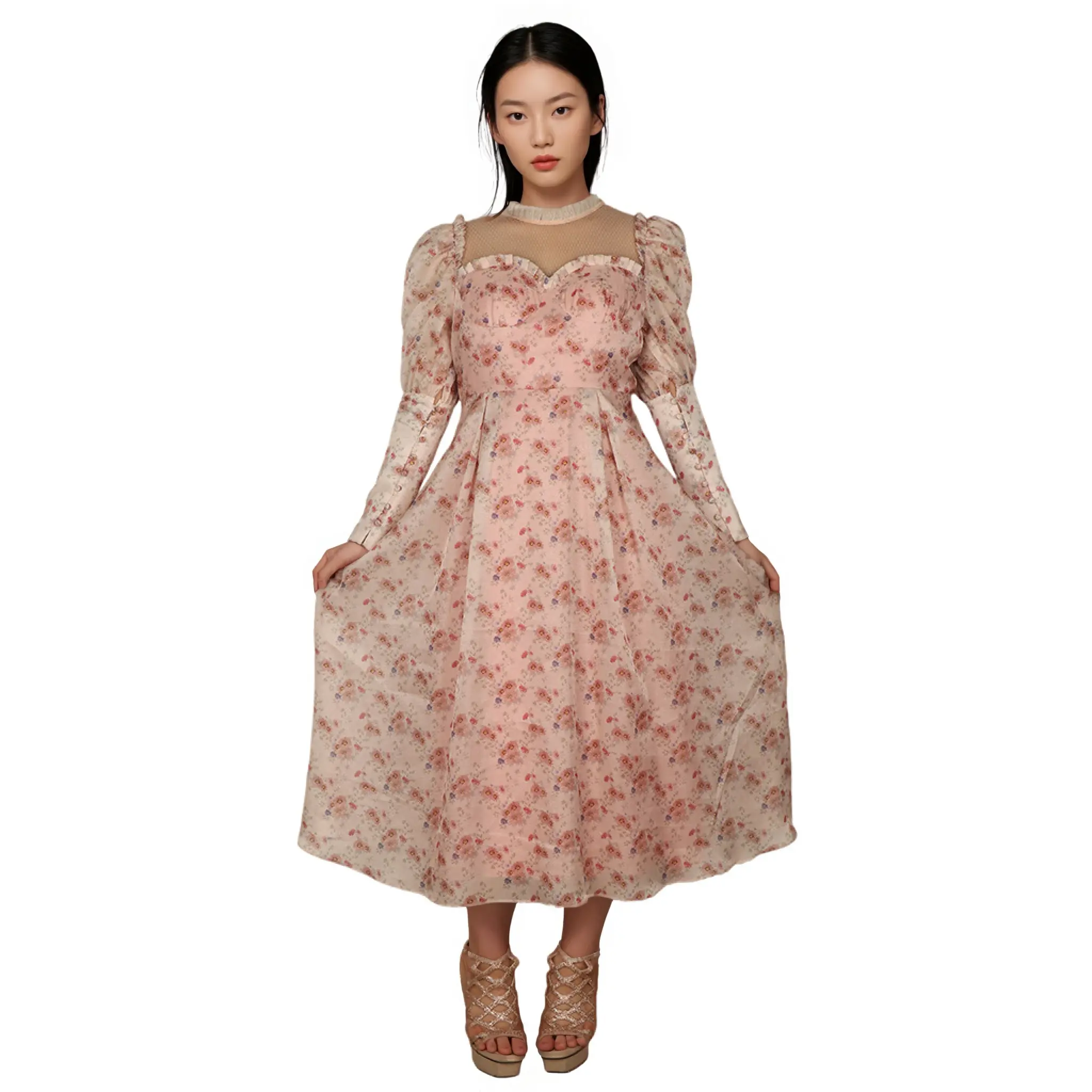
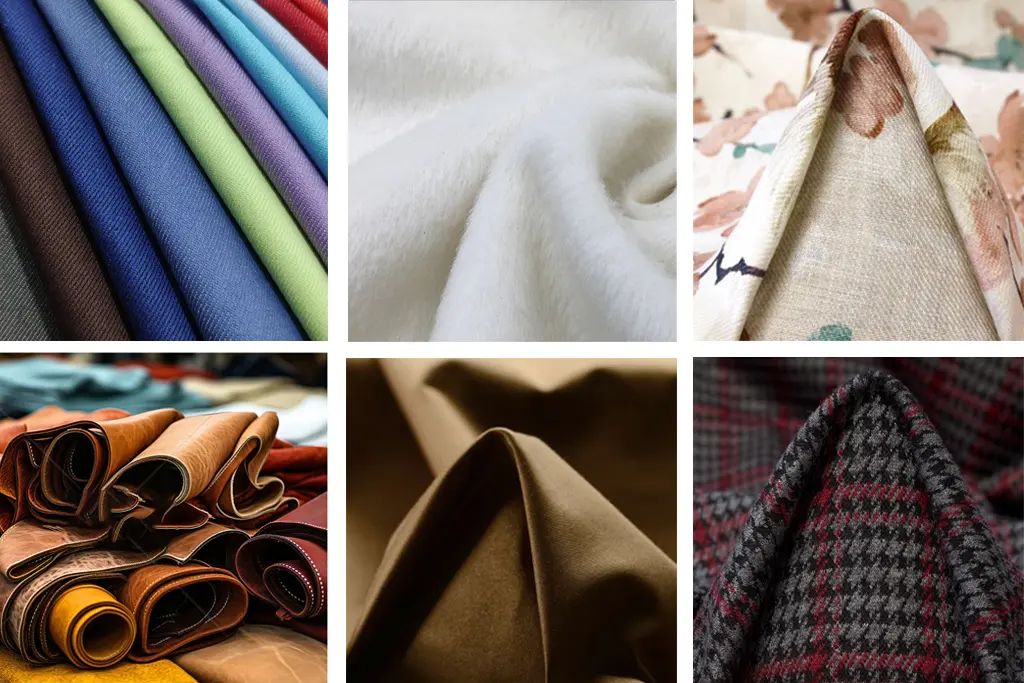
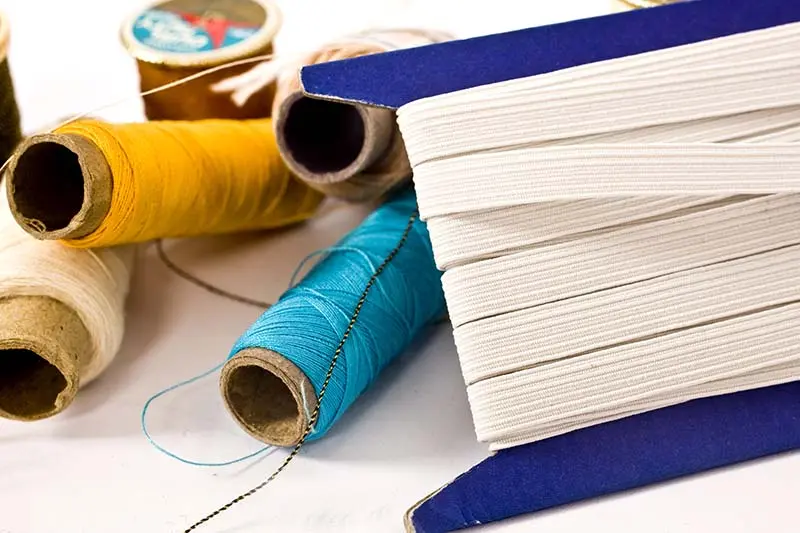
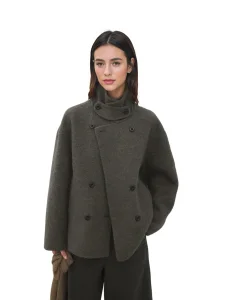
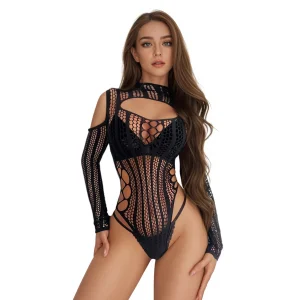
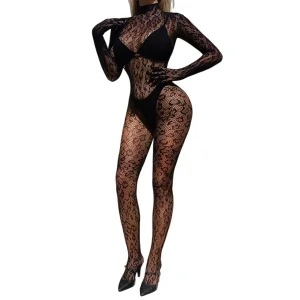
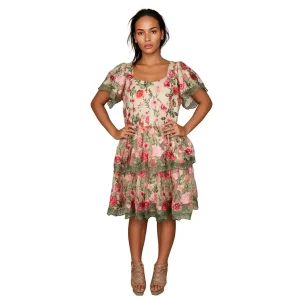
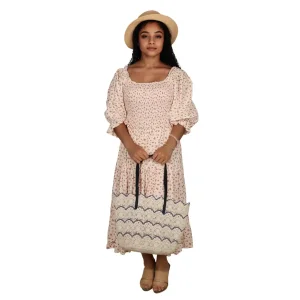
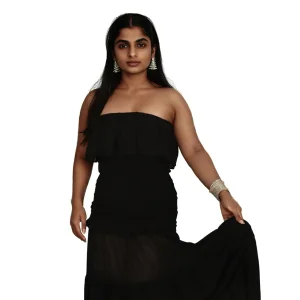
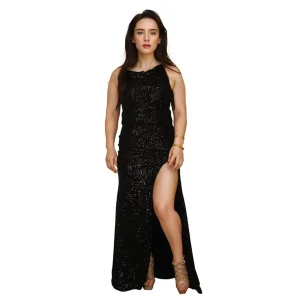
Explore our state-of-the-art silhouettes, from complex knit-woven combinations to high-fashion performance wear.
Unifying diverse textile fabrics under uniform tension, shrinkage thresholds, and eco-standards requires next-generation technical expertise.
Within the contemporary global apparel matrix, the production of women's patchwork T-shirts represents a intersection of creative expression and sophisticated engineering. Unlike standard knitwear manufacturing, where a single roll of yarn or fabric establishes uniform behavior across the garment, patchwork requires sewing distinct textile panels together. Often, this involves joining contrasting materials—such as combed cotton jersey, sheer polyester mesh, textured linen, elastic ribbing, or delicate lace.
Each material type responds differently to thermal processing, chemical dye processes, washing, tension, and wear. If not engineered correctly, patchwork garments suffer from structural defects including seam puckering, uneven shrinkage rates post-wash, color migration from darker to lighter panels, and localized fraying at high-stress seams. Achieving retail-ready durability demands a manufacturer with deep material science insight and advanced cutting technologies.
A pure cotton knit panel will shrink naturally between 4% and 7% upon domestic machine washing. In contrast, an adjacent polyester mesh panel remains stable, shrinking less than 1%. If stitched together without pre-shrinking treatment or advanced seam allowances, the cotton portion will pull the polyester piece, warping the garment shape and ruining its premium fit.

Why the world's most successful apparel brands center their specialized fabric sourcing and garment construction in China's industrial clusters.
China's true advantage lies in its complete and mature supply chain ecosystem. From yarns and fabrics to buttons, zippers, and logistics, every component and service is readily available within a concentrated geographic radius. This integration drastically reduces lead times, simplifies sourcing complexity, and mitigates risks for global brands.
Decades of focused development have created centers of excellence for specific product categories. Whether it is technical performance wear in Fujian, sophisticated down jackets in Zhejiang, or delicate silk products in Jiangsu, manufacturers possess generations of accumulated knowledge. This results in higher quality, fewer production errors, and expert guidance on product feasibility.
The Chinese manufacturing sector is uniquely equipped to serve brands at every stage of growth. Factories can efficiently manage small-batch initial runs for emerging labels and seamlessly ramp up to meet the massive, time-sensitive demands of global giants, all while maintaining consistent quality control.
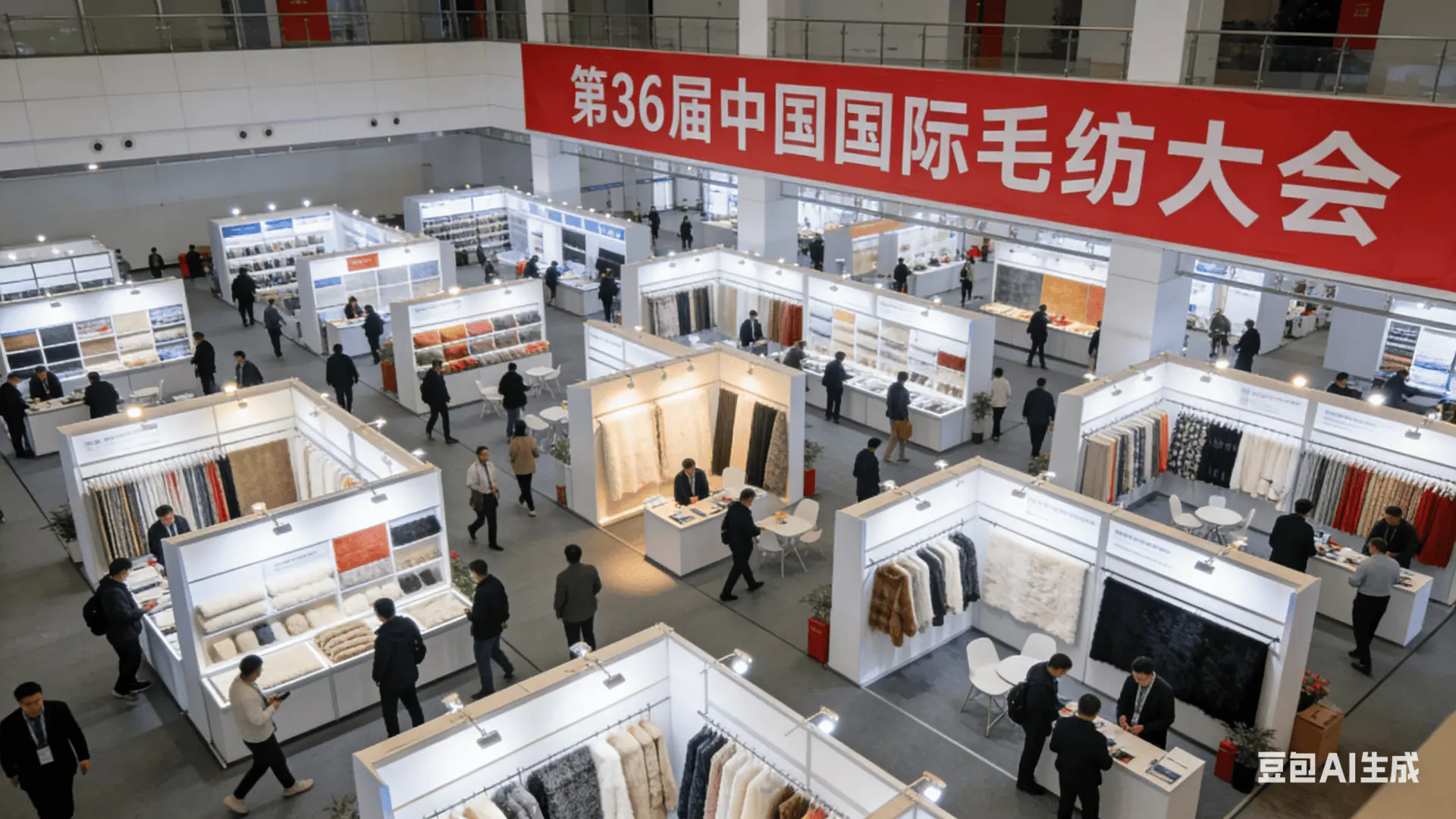
The industry is proactively moving beyond legacy systems. Leading factories are integrating advanced automation, AI-driven pattern cutting, and smart manufacturing (Industry 4.0) principles. This investment in technology enhances precision, increases production efficiency, and paves the way for next-generation product innovation.
Ensuring design precision from the physical thread selection to final global logistics deployment.
High-precision 3D digital CAD pattern modeling and prototyping based on customer specs.
Applying state-of-the-art embroidery, applique, screenprinting, and overlock seam stitches.
Precision execution at 12 stitches per inch minimum, double needle hems, and smooth neck tapes.
Premium fabric selections including long-staple cotton, micro-modal, and eco-friendly synthetics.
Rigorous selection of yarn count density, twist variables, and color-fastness grading.
Diverse manufacturing capability displaying cross-category expertise in women's fashion wear.
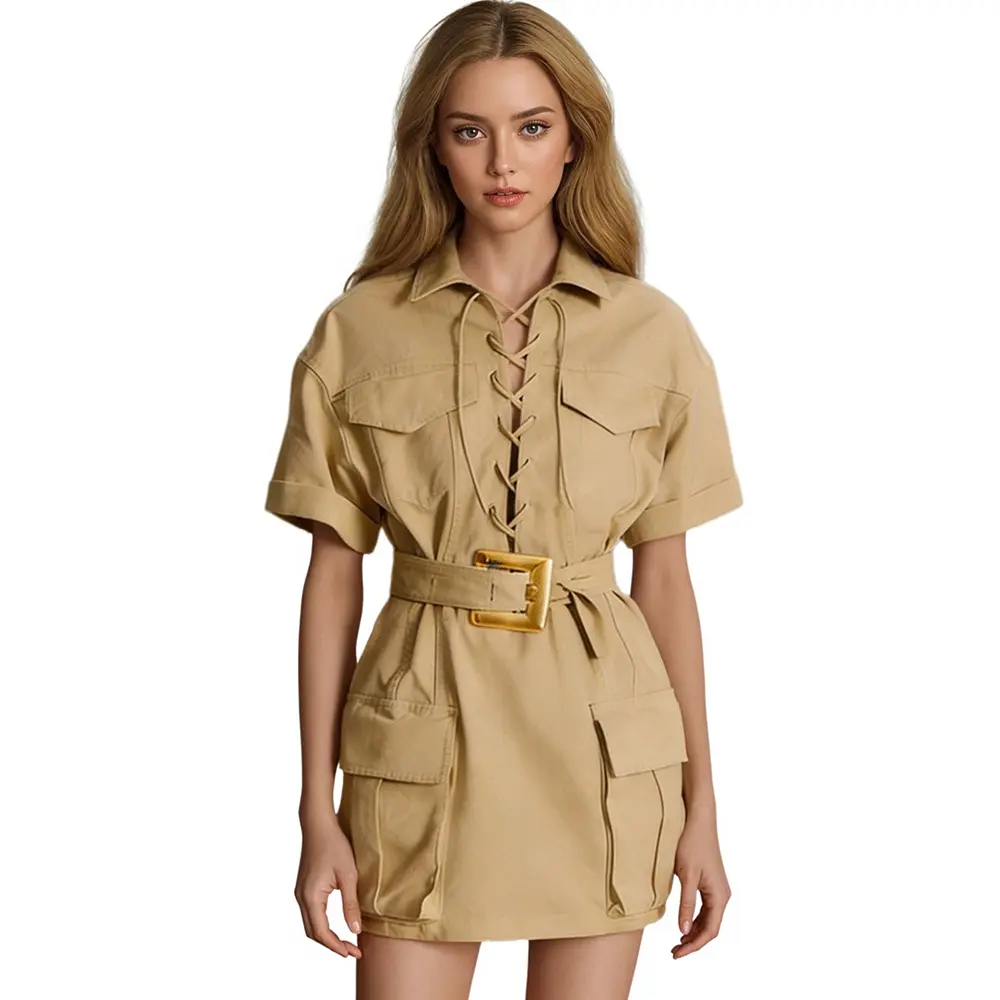
For modern, mid-to-high-end fashion labels, manufacturing patchwork T-shirts is not just about aesthetics; it is about strict adherence to international trade guidelines. The integration of different fabrics introduces the risk of compliance failures, particularly when sourced fabrics are produced across multiple supply lines. At Dongguan Hongye Garment, we enforce thorough chemical compliance checks across all input fabrics to avoid these regulatory complications.
Every roll of jersey, lace, or mesh utilized in our patchwork runs carries certification clearing it of AZO dyes, heavy metals, formaldehyde, and phthalates. We align with European Union REACH regulations and USA CPSIA guidelines, ensuring smooth transit through customs for brands distributed in European, American, Australian, and Canadian markets.
Additionally, our factory utilizes the AQL 1.5/2.5 standards for quality control inspections. Our processes undergo structured audits covering seam elasticity limits, wash color fastness (reaching Grade 4-5), skew checks, and metal detection scans.
All dye houses linked with our production lines run closed-loop waste filtration systems. Our OEKO-TEX certified cotton options prevent toxic chemical contact, reinforcing trust with eco-conscious consumer segments.
Our CAD systems evaluate mechanical stress on seams joining dissimilar weights. We apply clear elastic stabilization tapes to shoulders and necklines, guaranteeing that structural shapes remain intact after repetitive washes.
Retail-ready supply solutions containing bio-degradable frosted bags, custom swing tags with RFID chip implementation, and moisture-absorbing silica packets for pristine transit.
Dongguan Hongye Garment Co., Ltd. is specialized in clothing design, production, and exporting, established in 2019, located in Dongguan, Guangdong Province—the historic industrial clothing capital of China.
The Company has developed major products such as women's dresses, shirts & blouses, coats, jumpsuits, and custom fashion apparel. We provide premium garment solutions for over 1,000 retail brands globally, with 85% of our orders originating from EU, AU, CA, and US markets. Our advanced sewing configurations and strict material guidelines exceed typical expectations in craftsmanship and durability.


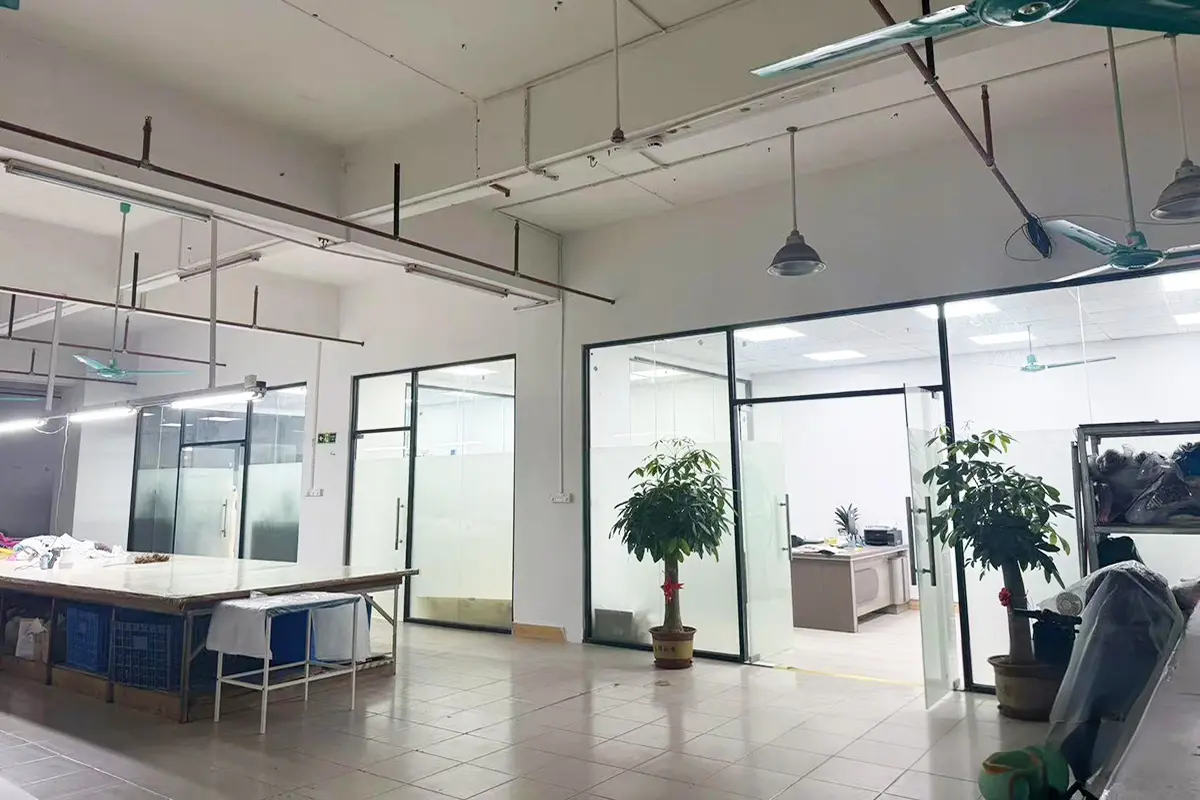


We are shifting from standard manufacturing into smart-factory integration. By using computerized CAD/CAM nesting platforms, we optimize fabric utilization on patchwork layout sheets, reducing waste by 18%. This allows us to offer cost advantages on complex designs that require extensive fabric utilization.
Additionally, we have introduced ultrasonic welding machines into our production line. This technology creates flat, irritation-free seam intersections in activewear and underwear patchwork. By replacing traditional flatlock stitches with micro-seam bonding in specific materials, we allow designers to explore creative styles without sacrificing structural durability.
For the upcoming seasons, we are prioritizing GRS (Global Recycled Standard) polyester yarns, recycled nylon meshes, and organic cotton. This initiative offers brands sustainable fabric combinations that help capture market demand for responsible sourcing.
Answers to technical questions from fashion sourcing directors and supply chain managers.






Stay updated on our technological developments, wool textile innovations, and functional fiber insights.
High-end knitwear, tailored outerwear, and comfortable loungewear customizable to your market needs.
 hongye garment