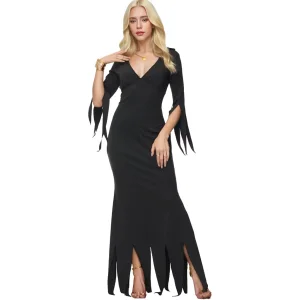
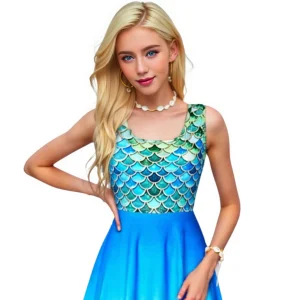
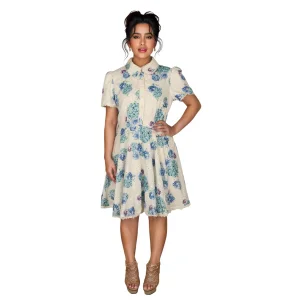
Browse our top-tier catalog of versatile cross-border apparel, high-density cotton essentials, and tailored performance fabrics optimized for modern retail demand.
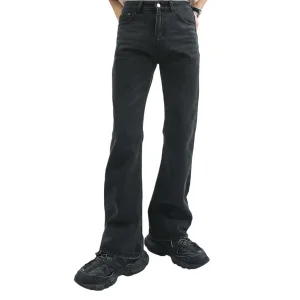
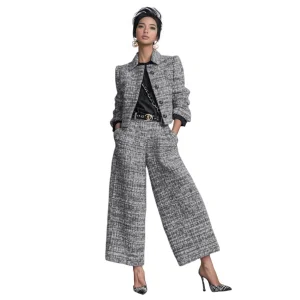
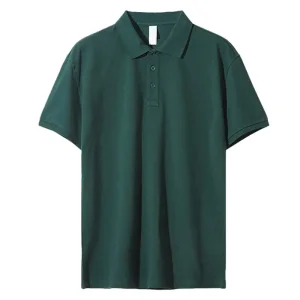
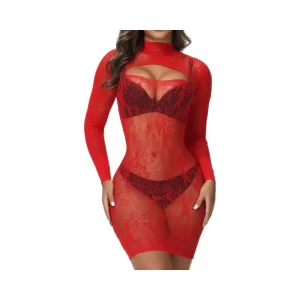
A comprehensive overview of global demand structures, fabric technology advancements, and smart-manufacturing operations shaping modern basic apparel sourcing.
In the contemporary fashion ecosystem, solid color women's T-shirts have transcended their historical classification as mere undergarments or casual loungewear. Today, they represent the foundation of the "Elevated Basics" market movement. Driven by minimalism, luxury streetwear, and the hybrid wardrobe styling of office-to-leisure garments, consumers are seeking T-shirts with structural integrity, luxurious hand-feel, and exceptional durability.
Modern trends dictate a division into three major structural fit demands: first, the oversized heavyweight drop-shoulder silhouette constructed from compact jersey (typically exceeding 240 GSM) which mimics premium streetwear styles; second, the slim-fit ribbed modal/spandex blend which hugs the body frame with high elastic recovery; and third, the mercerized luxury cotton regular fit tee that exhibits a satin-like luster suitable for corporate casual environments. Manufacturers must navigate these distinct fabric configurations to support global premium brands.
For enterprise buyers, international sourcing decisions are no longer determined solely by the Lowest Unit Cost (FOB price). Under the guidelines of modern corporate governance, the focus has pivoted to supply chain security, environmental sustainability, and ethical transparency. Brands require manufacturers to operate under validated certifications such as OEKO-TEX Standard 100, Global Organic Textile Standard (GOTS), and BSCI (Business Social Compliance Initiative).
Moreover, with the enforcement of carbon neutrality policies globally, apparel companies are actively seeking low-emission supply chains. Dongguan Hongye Garment utilizes eco-friendly dyeing agents, monitors closed-loop water treatment systems, and offers raw material traceability (such as certified Organic Cotton, Recycled Polyester, and Lenzing Modal). This ensures compliance with ESG audits while protecting brand integrity in highly scrutinized Western markets.
Dongguan, China, stands as the epicentre of the global apparel supply chain. The region's resilience is driven by the density of its specialized industrial clusters, enabling unmatched vertical integration. Within a 50-kilometer radius, everything from spinning mills and knitting facilities to custom button pressers, zipper manufacturers, and global shipping ports (Shenzhen and Guangzhou) can be accessed.
Furthermore, the integration of Industry 4.0 smart manufacturing principles has upgraded Dongguan factories from manual assemblies to digital production nodes. By utilizing computerized pattern design software (CAD) and 3D virtual modeling, fabric cutting nesting algorithms optimize yields, reducing textile waste by up to 15%. This rapid manufacturing cycle shortens time-to-market and enables brands to execute efficient "Quick Response" strategies, lowering inventory warehousing risks.
A statistical breakdown of our decades-long design expertise, production volumes, and global customer network.
Established in 2019, Dongguan Hongye Garment Co., Ltd. is a modernized garment production manufacturer situated in Dongguan City, Guangdong Province, a global clothing manufacturing hub.
We specialize in women's dresses, blouses, shirts, tailored coats, and loungewear. We service over 1000 premium brands internationally, with approximately 85% of our orders exported directly to the European Union, Australia, Canada, and the United States.
Our facility operates under rigorous ISO quality systems, and our logistics and customs integration guarantee door-to-door delivery. By combining technological precision with deep textile knowledge, we deliver products that consistently exceed customer expectations.
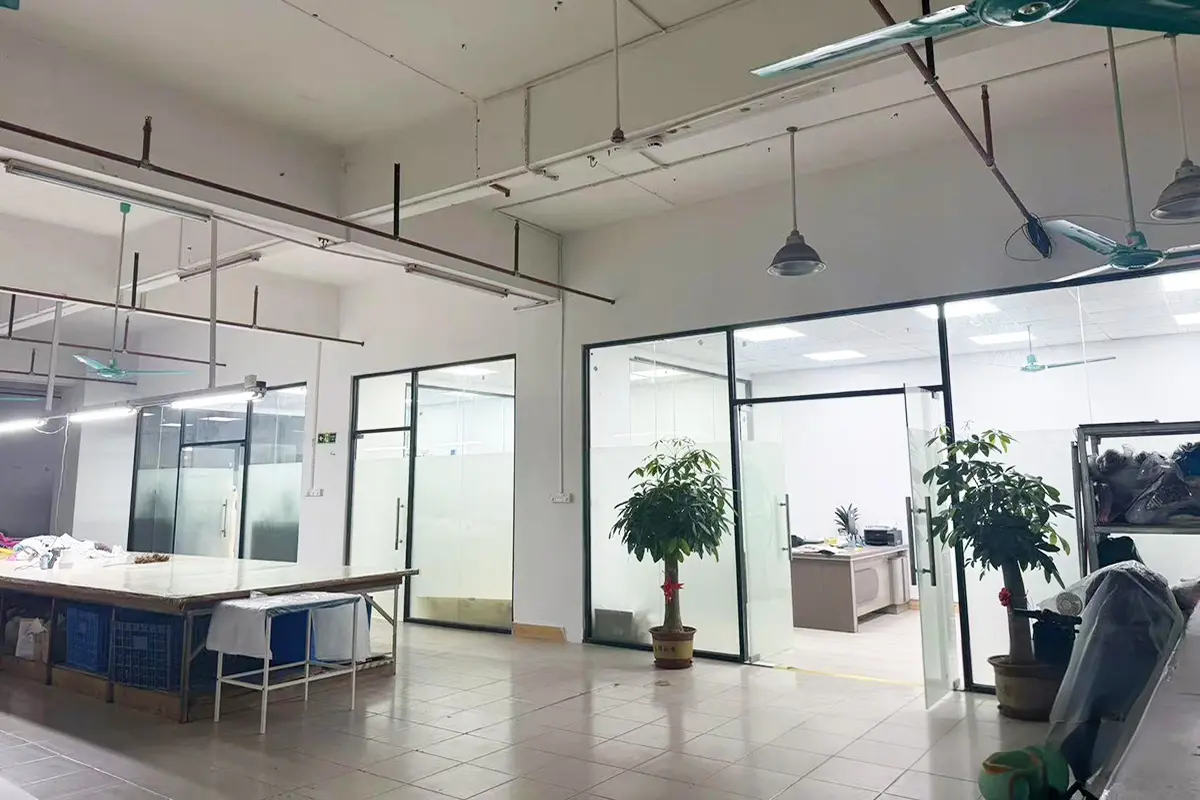

Our comprehensive production system ensures transparency, consistency, and top-tier execution at every phase.
Get professional clarification on technical parameters, fabric selection criteria, and OEM logistics.
A: Fabric selection depends on the target market placement. For high-end luxury streetwear, we suggest 100% combed ring-spun cotton (200 to 260 GSM) utilizing double-yarn weaves to maintain form and density. For activewear and athleisure blends, a composition of 95% modal or bamboo fiber with 5% spandex provides elasticity and breathability. For standard casual retail, we utilize 180 GSM single jersey ring-spun cotton which offers a balance of comfort, printable area compliance, and cost efficiency.
A: We address fabric shrinkage and color degradation prior to bulk sewing. All fabric batches undergo high-temperature pre-shrinking processes to ensure that residual shrinkage remains strictly below 3% to 5% (meeting international ISO test standards). For colorfastness, we implement reactive dyeing techniques that guarantee a Grade 4 colorfastness rating against washing, dry cleaning, and perspiration, ensuring bright whites and deep dark colors do not bleed or fade.
A: We offer a fully integrated customization suite. This includes custom fabric weights (GSM), specialized dyeing options (Pantone matched, acid washing, vintage wash), neck ribbing constructions (double needle cover stitching, mock neck, crew neck, V-neck), custom woven brand labels, heat-transfer neck labels, custom hangtags, and packaging bags. We can also apply specialized branding elements like silicone prints, screen printing, high-density embroidery, and chenille patch appliques.
A: Our strategic position within Dongguan provides immediate access to major international cargo hubs in Shenzhen and Guangzhou. Sample fabrication cycles take 3 to 7 days, and bulk production runs are typically completed within 15 to 25 days depending on style complexity and fabric availability. We partner with top logistics carriers to offer air express, ocean freight, and direct door-to-door (DDP) options, managing customs clearance to minimize delays.
Collaborating with premium garment brands, designers, and distributors to build sustainable retail networks.




Stay updated with articles, market research, and business expansions from our professional editorial desk.
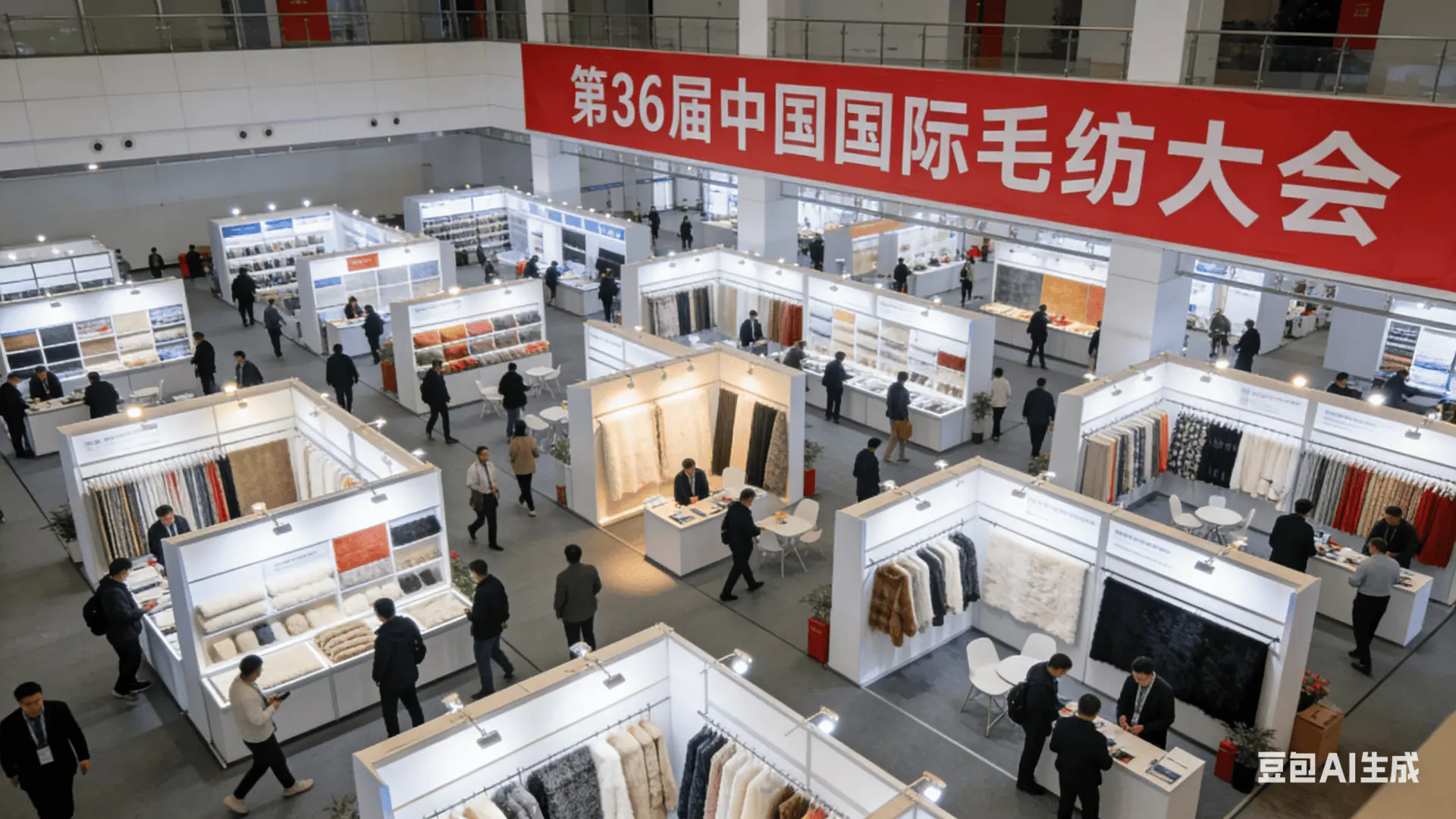
Exploring standard advancements, sustainability indexes, and regional export modifications.
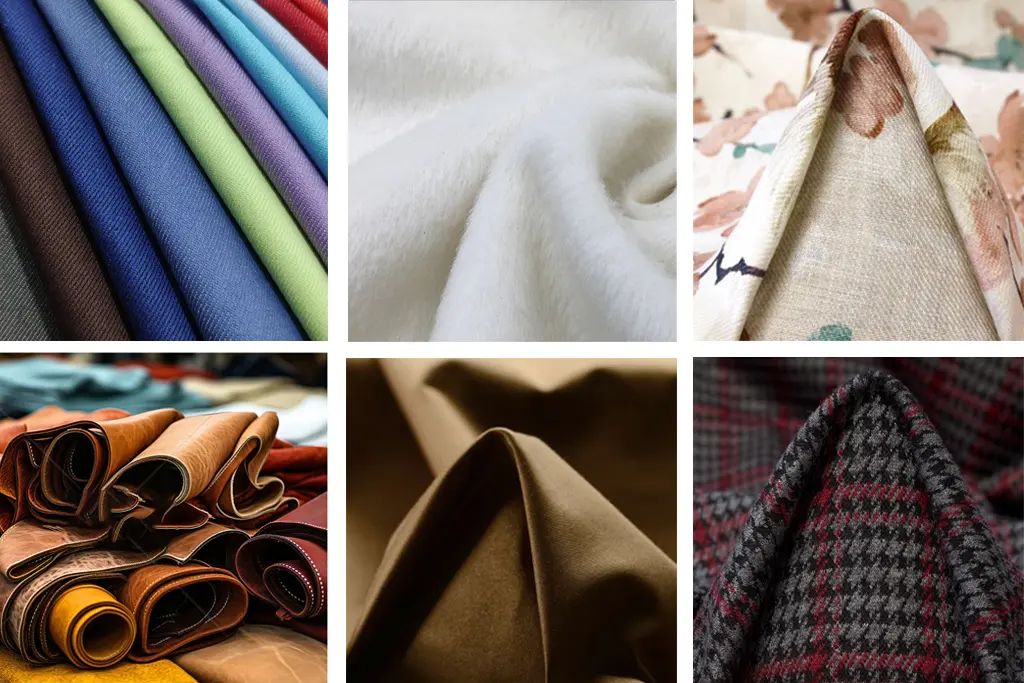
A technical overview of viscose fibers, structure adjustments, and washing guidelines.
Enhancing customer support and direct sales networks across Western European markets.
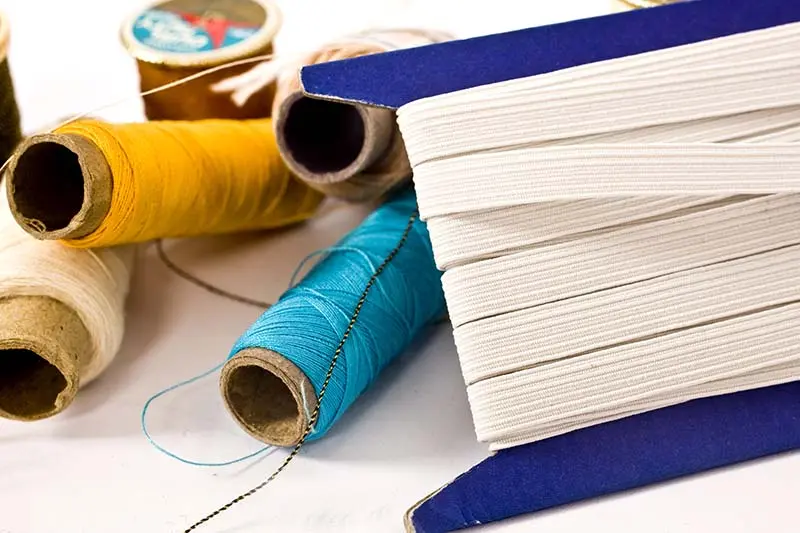
An analytical look at high-stretch fibers, recovery metrics, and manufacturing applications.
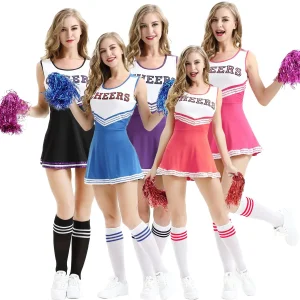
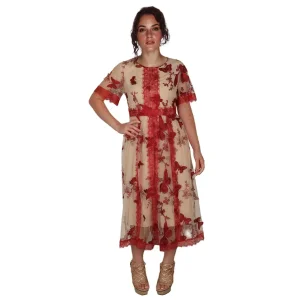
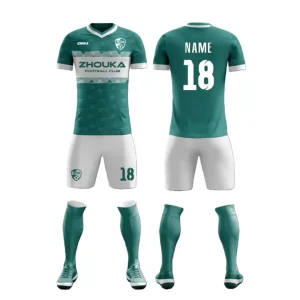
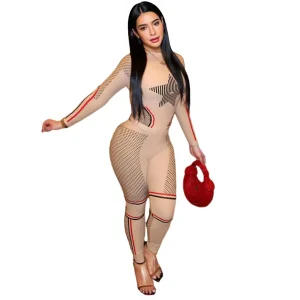
Explore our additional apparel categories, highlighting activewear, sportswear sets, and eco-friendly fabrics.
 hongye garment