When considering bespoke fashion, one often wonders, "how long does it take to make a custom dress?" Renowned designer Mei Lin, who specializes in custom garments, asserts, "Creating a dress is an art that requires time and careful planning." In China, this timeframe can vary significantly based on several factors.
The process typically ranges from a couple of weeks to several months. Customization, fabric sourcing, and fitting sessions all contribute to the timeline. It’s essential to keep in mind that rush orders may impact the quality. While some might expect a quick turnaround, the best craftsmanship demands patience.
Understanding this, clients should communicate their needs clearly and plan ahead. Experiences can differ widely depending on the designer's workload and your specific requirements. The ideal dress doesn't just appear; it unfolds through a meticulous journey. So, think twice about those rushed timelines before making decisions.
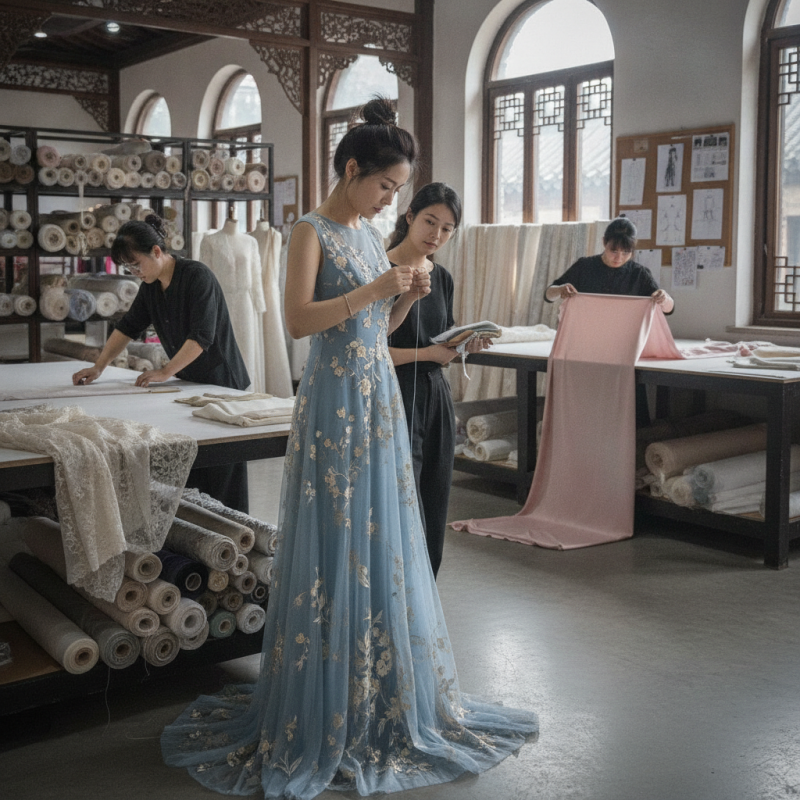
Factors Influencing Custom Dress Production Time in China
Creating a custom dress in China involves various factors that significantly influence production time. One crucial element is design complexity. Detailed designs with intricate patterns take longer to produce. Simple styles may only need a few days, but complex outfits could require weeks. Fabric selection also plays a vital role. High-quality materials may take longer to source, impacting the overall timeline.
Another factor is the manufacturer's capacity. Some workshops handle high volumes, while others might focus on limited orders. Smaller producers may take longer due to their attention to detail and craft. Communication barriers can also lead to delays. If there are misunderstandings, the entire process might slow down.
Finally, seasonal demand affects production speed. During peak seasons, like weddings or holidays, manufacturers experience higher workloads. This surge can stretch timelines. Rushing may compromise quality, leading to potential regrets. It's essential to balance speed and craftsmanship when planning your custom dress. Ensure you allow ample time for production to fully realize your vision.
Typical Timeline for Different Types of Dresses
Creating a custom dress in China involves several steps, influencing the timeline significantly. For a simple dress, the process may take about 2-4 weeks. This includes design finalization, fabric selection, and initial fittings. Complex designs, like bridal gowns, typically require 6-8 weeks. This extended period accounts for intricate detailing and multiple fittings.
Different types of dresses come with varying timelines. A casual dress might be quicker, while formal evening gowns demand additional time for refinements. According to industry reports, over 70% of custom dressmakers cite fabric sourcing as a major factor impacting timelines. Delays in supply chains can stretch project deadlines unexpectedly.
When considering custom dresses, here are some tips: Communicate your vision clearly to avoid misinterpretations. Establish a timeline at the project's beginning. Regular updates from your tailor can help manage expectations. A dress's quality often reflects the attention given during the process.
Ensuring that you allow sufficient time for adjustments is crucial. Many customers underestimate how long this can take. Balancing your desired style with realistic expectations can lead to a smoother experience. Remember, rushing a process can lead to unsatisfactory results.
Step-by-Step Process of Custom Dress Creation
Creating a custom dress in China involves a detailed process that requires time and careful planning. The journey begins with a consultation. Designers discuss fabric choices, style preferences, and measurements. This step is crucial to ensure the dress meets your expectations.
After the initial conversation, the designer sketches the design. This is an opportunity to visualize your dress. You'll often make adjustments based on the sketch. Don't hesitate to voice concerns. It’s important that the design resonates with your vision.
Next comes fabric sourcing. The right fabric can elevate your dress. Consider color, texture, and durability. It may take time to find the perfect material. Once the fabric is chosen, the cutting and sewing phase begins. This is when the dress starts to take shape.
Tips for this process include being open-minded during the design phase. Sometimes the best ideas come from collaboration. Keep communication clear and frequent. Ensure that every detail is agreed upon early on to minimize revisions later.
Finally, expect a fitting session. This is where the dress is tested for comfort and style. Be patient; adjustments are common. Quality takes time, and rushing could lead to unsatisfactory results. Enjoy the journey of personalization, even if it involves a few bumps along the way.
Common Delays and How to Avoid Them
When it comes to making a custom dress in China, delays can happen for various reasons. One common issue is communication breakdowns. Misunderstandings can arise regarding design specifications or fabric choices. Always ensure clear and detailed communication with your supplier. This can prevent costly errors and additional waiting time.
Another frequent pitfall is underestimating lead times. Production delays can occur due to fabric shortages or unexpected demand. To mitigate this, start the process early. Factor in extra time for unforeseen circumstances. Being overly optimistic about timelines can lead to disappointment and stress.
Regular follow-ups are crucial to keep the project on track. Check in with your manufacturer at key milestones. If there are issues, addressing them promptly can save significant amounts of time. Relying solely on the initial schedule may not be sufficient. Being proactive helps you stay informed and can prevent a culture of neglect regarding timelines.
Tips for a Faster Custom Dress Experience in China
When seeking a custom dress in China, timing is crucial. The typical production time can range from three to six weeks, but this can vary. Understanding how to expedite this process can make a big difference.
To accelerate your custom dress experience, consider your timeline seriously. Start by providing clear specifications and accurate measurements. Each detail matters, from fabric choices to design elements. Research shows that incomplete information can delay production by up to 30%. So, be thorough.
Another tip is to use local fabric suppliers. This can help reduce lead time significantly. Reports indicate that using domestic resources can cut down order processing by 40%. Additionally, maintain open communication with manufacturers. Establish a rapport and ask for regular updates. This allows for quick adjustments, preventing last-minute surprises.
Keep in mind that delays can often occur due to misunderstandings or supply issues. So, it’s vital to stay proactive. Regular check-ins can help you feel more in control of the process.
Time to Make a Custom Dress in China
FAQS
: Design complexity, fabric selection, manufacturer's capacity, communication, and seasonal demand all play significant roles.
A simple dress may take about 2-4 weeks from design to fittings and final adjustments.
Complex outfits often require intricate detailing and multiple fittings, extending the overall production time.
Sourcing high-quality materials can prolong the process, leading to unexpected delays in production.
Common delays include communication breakdowns, underestimated lead times, and fabric shortages.
Start the process early, communicate clearly, and check in regularly with your manufacturer.
Provide detailed sketches and descriptions, and maintain consistent communication with your supplier.
High demand during wedding seasons or holidays can stretch production timelines due to increased workloads.
Rushing the process may compromise quality, leading to dissatisfaction with the final product.
Consider the complexity of your design and account for potential delays to minimize disappointment.
Conclusion
When considering "how long does it take to make a custom dress," several factors come into play, particularly in China. The production time can vary widely based on the complexity of the design, the type of fabric chosen, and the specific requirements of the dress. Generally, simpler styles may take around 2-4 weeks, while more intricate designs could extend the timeline to 6-8 weeks or longer.
The custom dress creation process involves several key steps, including initial consultations, fabric selection, pattern making, and fittings. Each phase can experience delays due to factors like supply chain issues or miscommunications. To ensure a smoother experience, it is advisable to communicate clearly with the dressmaker, plan well in advance, and provide complete specifications upfront. By understanding these elements, those interested can effectively manage their expectations regarding the time it takes to create a unique custom dress in China.

 hongye garment