How Much Does a Custom Dress Shirt Cost?

Time:2026-09-08 Author:Madeline
0%

How much does a custom dress shirt cost​? The honest answer depends on fabric, construction, measurements, and service level. In today’s market, made-to-measure shirts commonly cost about $60 to $250. Premium bespoke shirts can exceed $300, with luxury commissions reaching $1,000 or more. These figures reflect observed retail pricing, not a universal industry tariff.

Fabric is often the first visible cost driver. A crisp cotton-poplin shirt may use a standard mill fabric, while Egyptian cotton, linen, or superfine twill increases the price. Textile Exchange’s 2024 Materials Market Report estimated global fiber production at 124 million tonnes in 2023. It also projected growth toward 160 million tonnes by 2030. That scale does not make premium fibers cheap. Quality, traceability, finishing, and limited availability still matter.

Construction changes the bill too. Hand-finished buttonholes, a floating collar, reinforced seams, and individual pattern adjustments require skilled labor. The U.S. Bureau of Labor Statistics tracks apparel prices through its Consumer Price Index, but it does not isolate custom dress shirts. Therefore, broad inflation data cannot explain every quote. Cotton Incorporated’s Global Lifestyle Monitor research also highlights the continuing importance of comfort, fit, and material preferences in clothing decisions. That makes customization more than decoration.

A $90 shirt may fit well enough. A $400 shirt may not. Poor measurements can defeat excellent fabric and tailoring. The most reliable comparison asks what the price includes: consultation, fabric, pattern creation, alterations, shipping, and remake protection. Prices are only useful when those details are visible.
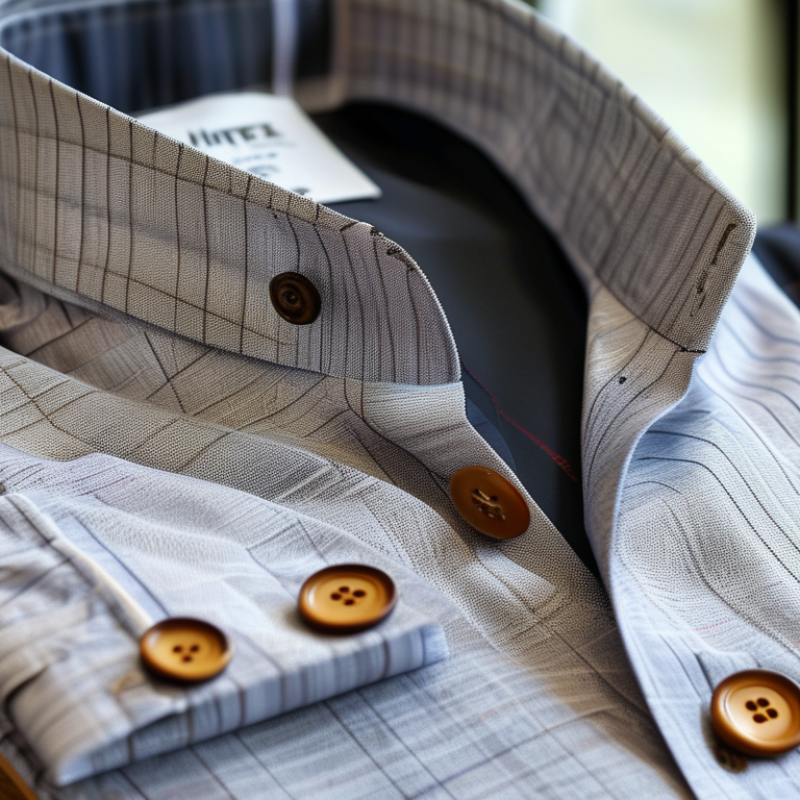
How Much Does a Custom Dress Shirt Cost?

What Is a Custom Dress Shirt?

A custom dress shirt is made around your body, preferences, and daily needs. It is not simply a shirt selected from a larger size chart. A tailor records your neck, chest, sleeve length, shoulder slope, and waist measurements. The maker then adjusts the pattern before cutting the fabric. Some services alter a standard pattern. Others create a new one. That difference matters. “Custom” is not a universal technical term.

A proper fitting also considers posture and movement. You may need extra room across the back or a shorter sleeve. Collar shape, cuff style, buttons, and fabric weight are personal choices. A reliable shirtmaker should ask how you work, sit, wash, and wear the shirt. A desk shirt may need less ease than one worn during frequent travel.

The first fitting is not always perfect. Small errors can remain. A sleeve may twist slightly, or the collar may feel tighter after washing. Honest fittings leave room for correction.

The cost of a custom dress shirt usually reflects fabric quality, pattern work, labor, and the number of fittings. A lower price may involve fewer adjustments or a limited fabric selection. A higher price does not guarantee a better fit. The maker’s measuring skill matters more than decoration. Before ordering, ask whether alterations are included, how the shirt will be washed, and what happens if the fit feels wrong. Keep your expectations realistic. A custom shirt should feel intentional, not magical.

Which Factors Determine the Cost of a Custom Dress Shirt?

The cost of a custom dress shirt depends on more than its collar and color. Fabric usually makes the biggest difference. Egyptian cotton, linen, silk blends, and high-thread-count weaves can raise the price quickly. A practical cotton shirt may cost less than one made from rare or delicate material. Fabric matters most.

Construction also affects the final price. A shirt with single-needle stitching, reinforced seams, durable buttons, and a carefully shaped collar requires more skilled labor. Hand-finished details often take longer than machine-made alternatives. More time usually means more money. The pattern matters too. A standard block is cheaper, while a pattern created from individual measurements requires additional drafting and fitting.

Customization adds another layer. Monograms, contrasting cuffs, unusual plackets, and special pocket shapes may increase labor costs. The number of fittings can also change the total. A first fitting may reveal shoulder imbalance, sleeve issues, or a collar that feels too tight. I once underestimated sleeve length because the shirt looked correct while standing still. Movement proved otherwise. That mistake taught me to assess comfort, not appearance alone.

Location and tailor experience influence pricing as well. Skilled makers often charge more because they understand posture, fabric behavior, and long-term wear. Rush orders may include extra fees, while simple alterations can sometimes solve fit problems without remaking the shirt. Ask what the quoted price includes: fabric, pattern drafting, fittings, alterations, and delivery. Otherwise, a low starting price can become unexpectedly high.

How Much Does a Custom Dress Shirt Cost? – Which Factors Determine the Cost of a Custom Dress Shirt?
Cost Factor Typical Price Impact (USD) What Determines the Cost Typical Result
Basic made-to-measure shirt $80–$180 A shirt made from standard measurements with a selection of fabrics, collars, cuffs, and buttons. Suitable for customers seeking a personalized fit without extensive handwork.
Premium made-to-measure shirt $180–$350 Higher-grade fabric, more fitting options, stronger construction, and additional finishing details. More refined appearance, improved comfort, and greater fabric choice.
Bespoke construction $300–$1,000+ A paper pattern is created specifically for the wearer, often with fittings and more hand-finishing. Maximum control over fit and design, usually with a longer production time.
Fabric quality and fiber +$20–$250+ Fiber type, yarn quality, thread count, weave, softness, wrinkle resistance, and fabric origin affect the price. Natural fibers and finer, more specialized fabrics generally cost more than standard cotton blends.
Pattern and fabric complexity +$10–$80 Stripes, checks, prints, high-contrast patterns, and difficult-to-match fabrics require extra cutting and alignment. More production time and higher fabric waste can increase the final price.
Collar and cuff customization +$0–$40 Choice of collar shape, collar height, cuff style, cuff angle, button placement, and reinforcement. Standard options are often included; unusual or specially engineered details may cost extra.
Monogramming and decorative details +$10–$45 Embroidered initials, contrast thread, special buttons, concealed plackets, or distinctive stitching. Small personalized features add style but usually have a limited effect on the overall price.
Construction and hand-finishing +$30–$200+ Seam precision, reinforced stress points, hand-sewn elements, detailing, and quality-control time. More labor-intensive construction generally produces a cleaner finish and higher cost.
Number of fittings +$0–$150+ Some services include one fitting, while others charge for additional fittings or pattern adjustments. Additional fittings can improve precision, especially for complex body proportions.
Alterations after delivery $15–$75 per adjustment The price depends on whether the sleeves, side seams, collar, cuffs, or shirt length need changing. Minor alterations are less expensive than structural changes that require partial reconstruction.
Rush production +$25–$150+ Shorter deadlines may require priority cutting, scheduling, sewing, and shipping. Standard production often takes about 2–6 weeks; rush service varies by workload and location.
Shipping and import charges $10–$100+ Delivery speed, destination, package weight, international duties, and local taxes affect the final amount. These costs may be added at checkout rather than included in the shirt price.
Estimated total for one custom shirt $80–$1,000+ The total combines the construction method, fabric, customization, fittings, alterations, and delivery. Most standard custom shirts fall in the $100–$300 range, while bespoke shirts can cost substantially more.
Prices are typical estimates in U.S. dollars for adult dress shirts and can vary by country, labor rates, fabric availability, fitting requirements, taxes, and shipping. Always confirm whether fittings, alterations, and delivery are included in the quoted price.

How Much Do Custom Dress Shirts Cost at Different Quality Levels?

Custom dress shirt prices become clearer when you compare quality levels, not just measurements.

A basic made-to-measure shirt often costs $80 to $150. It may use durable cotton, standard buttons, and limited collar choices. The shirt is adjusted to your measurements, but the pattern may remain partly standardized. Fit improves, though small posture issues can remain.

Mid-level custom shirts usually range from $150 to $300.
Here, you may choose finer cotton, stronger stitching, removable collar stays, and more fitting revisions. A skilled fitter checks shoulder slope, sleeve rotation, chest balance, and cuff position. Those details matter after eight hours at a desk. Fabric quality matters too. A soft cloth can feel luxurious, but it may wrinkle quickly. That trade-off is easy to miss.

At the premium level, expect $300 to $600 or more.
Bespoke work can exceed $600 because the pattern is drafted for one body and refined through additional fittings. Hand finishing, unusual fabrics, and complex details raise labor costs. These ranges are practical guides, not fixed rules. Local wages, shipping, taxes, and seasonal fabric prices can change the final bill. I would not treat a high price as proof of quality. An expensive shirt can still have a poor collar fit. Ask how many fittings are included, whether alterations are covered, and what happens after washing. Small print matters.

A useful test is simple: wear the shirt seated, standing, and moving your arms before approving the final cut.

What Is Included in a Custom Shirt Price?

How Much Does a Custom Dress Shirt Cost?

A custom shirt price usually covers more than fabric and stitching. It often includes a personal consultation, body measurements, pattern drafting, and style selection. You may choose the collar shape, cuff design, buttons, pocket placement, and placket. Skilled cutting matters because small measurement errors can change the shirt’s balance. A reliable quote should list these services clearly.

Fabric is another major cost. Fine cotton, unusual weaves, and higher thread counts often increase the price. Labor may include hand-finishing, reinforced seams, and careful matching of stripes or checks. Some makers include one fitting and minor alterations. Others charge separately for sleeve changes, collar adjustments, or a second fitting. Ask before ordering.

Taxes, delivery, monogramming, and special buttons may sit outside the base price. Shrinkage also deserves attention. A shirt can fit well today and tighten slightly after washing. Washing instructions should be explained before payment. In practice, the first fitting may expose a posture difference or uneven shoulder line. That is normal, but the correction policy matters. A transparent maker will explain remake conditions, alteration limits, and expected delivery time. The cheapest quote may exclude essential work. That can make the final cost less predictable.

How Can You Choose the Right Custom Shirt for Your Budget?

How Much Does a Custom Dress Shirt Cost?

A custom dress shirt commonly costs between $80 and $300. Premium fabrics, complex details, and hand finishing can raise the price. The honest answer depends on your priorities, not only the tailor’s label. A durable cotton shirt may suit a work wardrobe better than an expensive seasonal fabric. Start with a clear budget. Leave room for delivery and possible adjustments.

Fabric usually creates the largest price difference. Lightweight cotton feels comfortable in warm offices, while heavier cloth holds its shape longer. Ask about fiber content, shrinkage, washing instructions, and fabric weight. These details reveal more than a vague phrase like “high quality.” Choose a standard collar and cuffs if money is tight. Monograms, special buttons, and unusual stitching can add cost without improving fit. Fit matters most.

Measure carefully, but do not treat measurements as permanent facts. Your posture, weight, and preferred layering can change the result. Request a fitting review when possible, especially for a first order. Check the shoulder line, sleeve length, collar comfort, and fabric tension across the chest. A shirt that looks sharp while standing may feel restrictive when reaching for a train handle. That detail is easy to miss. I would also question extremely low prices, since rushed construction may appear after several washes. A thoughtful budget might allocate $120 for a reliable everyday shirt and more for occasional formal wear. Even experienced buyers can choose the wrong fabric. That is part of the learning.

FAQS

: What is a custom dress shirt?

: A custom dress shirt is shaped around your measurements, posture, preferences, and daily routine. It is not merely chosen from a size chart. Measurements may include your neck, chest, shoulders, waist, and sleeve length. The maker then adjusts or creates a pattern before cutting the fabric. “Custom” does not always mean fully handmade.

What details should a fitting consider?

A fitting should consider how you stand, sit, reach, and move. You may need extra back room or shorter sleeves. The collar should feel secure without pressing your neck. Check the shoulder line and chest tension while moving. Standing still can hide problems.

What choices can I make?

You can usually select the collar, cuffs, buttons, pocket, placket, and fabric weight. Standard collars and cuffs may help control costs. Special buttons or decorative stitching can increase the price. They may not improve the fit. Fit comes first.

What does the shirt price usually include?

The price may include consultation, measurements, pattern work, fabric, sewing, and one fitting. Some makers include minor alterations. Others charge separately for sleeve or collar changes. Taxes, delivery, monogramming, and special buttons may cost extra. Ask for a detailed quote.

How much does a custom dress shirt cost?

A custom dress shirt commonly costs about $80 to $300. Premium fabric and hand finishing can raise the price. A lower price may include fewer fittings or fewer fabric choices. A higher price does not guarantee better fit. Measuring skill matters more than decoration.

How can I choose a shirt within my budget?

Set a clear budget before selecting fabric and details. Leave money for delivery and possible alterations. A durable cotton shirt may suit daily work better than a delicate seasonal fabric. Lightweight cloth feels cooler, while heavier cloth often holds its shape longer. Choose practical details.

What fabric questions should I ask before ordering?

Ask about fiber content, fabric weight, shrinkage, and washing instructions. A shirt may fit well today and tighten after washing. Care instructions should be clear before payment. Washing can change the collar and sleeve feel. That risk is easy to overlook.

What should I do if the first fitting feels wrong?

Report tightness, sleeve twisting, uneven shoulders, or restricted movement promptly. Ask whether alterations or remakes are included. A reliable maker should explain correction limits and delivery times. Small errors can remain, even after careful measuring. That is worth admitting.

Conclusion

A custom dress shirt is made to match your measurements, style preferences, and fabric choices rather than following standard ready-to-wear sizes. When considering how much does a custom dress shirt cost​, remember that the final price depends on several factors, including fabric quality, construction details, collar and cuff designs, button selection, personalization, and the level of tailoring involved. Extra features such as monograms, special stitching, or unique measurements may also affect the total.

Custom dress shirts are available at different quality levels, from affordable options using practical fabrics to premium garments made with finer materials and more detailed craftsmanship. A typical price may include consultation, measurements, fabric, pattern creation, sewing, and basic adjustments, although alterations or expedited service may cost more. To choose the right shirt for your budget, decide which features matter most, compare the value offered at each quality level, and prioritize fit, comfort, durability, and versatility over unnecessary extras.


Madeline

Madeline

Madeline is a dedicated marketing professional with a wealth of expertise in our company's core offerings. With a keen understanding of the industry, she brings a unique perspective to her role, consistently delivering high-quality content that highlights the superior aspects of our products. As......