Choosing a wedding dress is a significant decision for any bride. Understanding the costs involved is crucial. The question often arises: how much is a custom wedding dress? This guide aims to shed light on the factors that influence pricing.
Custom wedding dresses can vary widely in cost. The designer’s reputation, fabric quality, and embellishments all play a role. For instance, intricate lacework or hand-stitched details can significantly raise the price tag. It's important to consider your budget before diving into the design process.
Many brides overlook the potential additional costs, such as fittings and alterations. These can add up quickly. A transparent discussion with a designer about all possible expenses is advisable. Reflecting on your priorities will aid in making a more informed choice. Ultimately, the experience should be joyful, not overwhelming.
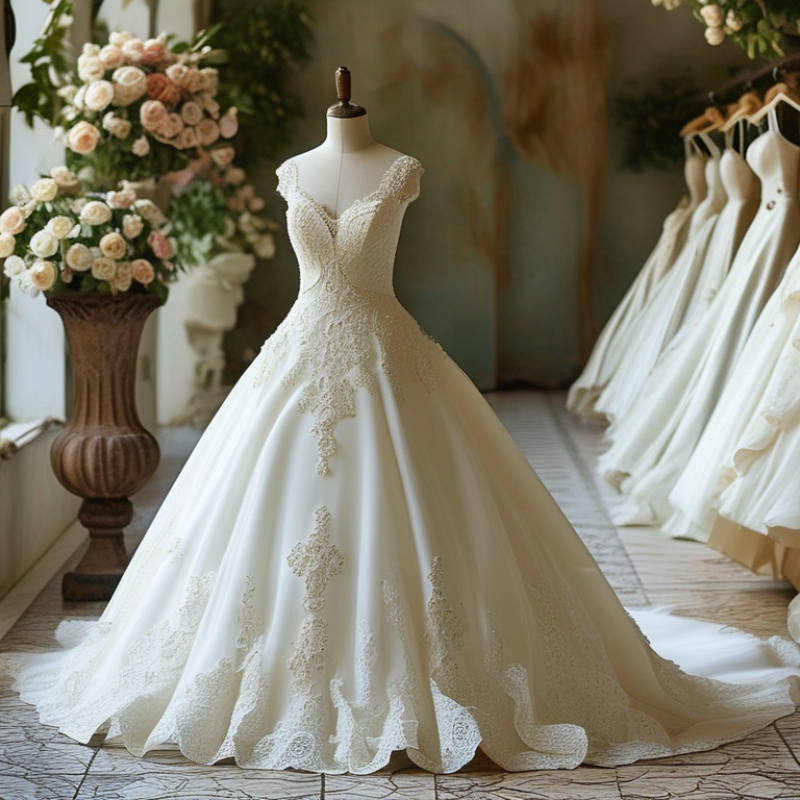
Understanding the basics of custom wedding dress pricing is essential for brides-to-be. A custom dress can vary greatly in cost, often ranging from a few hundred to several thousand dollars. The design complexity plays a significant role in this pricing. Intricate details and unique silhouettes require more time and materials, which naturally increases the price.
Fabric selection also heavily influences costs. Luxury materials such as silk or lace can dramatically elevate the final bill. Many brides underestimate the impact of high-quality fabrics and their associated costs. Additionally, fittings are crucial to achieving the perfect fit. Multiple fittings may be necessary, each adding to the overall cost.
There is also the emotional aspect of a custom gown. The connection to the dress can drive some brides to spend more than they planned. Reflecting on priorities—what is truly important—might help keep costs manageable. Budgeting for unforeseen expenses is wise, as they often arise during the design process. Ultimately, understanding these basics can empower brides to make informed decisions on their custom wedding dress journey.
When considering a custom wedding dress, several factors play a significant role in its cost. One primary factor is the choice of fabrics. Luxurious materials like silk or lace can substantially raise the price. It's important to know that not all fabrics are equal. The quality of the material directly impacts the overall look and feel of the gown.
Another influencing factor is the complexity of the design. A gown with intricate beading or elaborate embroidery often requires more time and skill from the designer. Custom fittings also add to the cost, as they ensure a perfect fit tailored to your unique silhouette. Budgeting for multiple fittings is essential, as each fitting helps perfect the dress.
Additionally, location can affect pricing. Designers in major cities may charge higher rates due to demand and cost of living. Consider looking for talented artisans in smaller towns. They can often provide personalized service without the hefty price tag. Each of these elements contributes to the total cost of a custom wedding dress, requiring you to reflect on what’s most important to you.
| Factors Influencing Cost | Estimated Cost Range |
|---|---|
| Fabric Quality | $100 - $500 |
| Designer Experience | $500 - $5,000 |
| Complexity of Design | $300 - $2,000 |
| Custom Fitting Sessions | $50 - $150 per session |
| Embroidery and Detailing | $200 - $1,500 |
| Additional Accessories | $50 - $300 |
| Location of Service | Varies based on city |
The cost of a custom wedding dress can vary significantly. Factors that influence the price include design complexity, fabric selection, and additional embellishments. A simple dress can start around $1,000. For intricate designs, expect costs to reach $3,000 or more.
Basic styles, like sheath or A-line dresses, often require less fabric and detailing. These dresses typically range from $1,000 to $2,000. On the other hand, ball gowns or dresses with extensive lacework or beading can push prices up to $6,000. The craftsmanship involved plays a major role in the final price.
It's essential to have a clear vision when discussing designs. In some cases, the final dress may not match initial expectations. Communicating openly with your designer can minimize surprises. Custom dresses often need alterations; these can add to the overall cost. It's worth budgeting for these adjustments to ensure the perfect fit.
When budgeting for a custom wedding dress, hidden costs can be surprising. Many brides overlook essential elements such as alterations, fabric selection, and customizations. A report from The Knot suggests that alterations can add an average of $280 to the final cost. Depending on the complexity, some alterations might even require a significant additional budget.
Furthermore, the choice of fabric plays a crucial role in the overall price. Premium materials can substantially increase costs. For instance, silk or lace can elevate a dress from a modest budget to a high-end expenditure. According to a survey by Wedding Wire, about 38% of brides reported spending more on fabric than they initially planned. This aspect often leads to unexpected stress.
Brides should also consider timing. Rush fees for expedited production can range from $100 to $500. An early start allows for adjustments and could save money in the long run. Be mindful of your timeline, as last-minute decisions often lead to overspending. A thorough understanding of these factors can help manage your expectations and budget effectively.
Finding a custom wedding dress that aligns with your budget can be both exciting and challenging. According to recent industry reports, the average cost of a custom wedding dress typically falls between $1,500 and $3,000. However, prices can vary widely based on fabric, design complexity, and the tailor's experience. Many brides find themselves spending more than they anticipated.
To avoid overspending, it's crucial to define your budget early. Set a maximum price that includes not just the dress but alterations and accessories. Research local tailors and their previous work. Look for reviews and testimonials to gauge their reliability.
One tip to consider is to be flexible with your design. Simple silhouettes may cost less while still allowing you to express your unique style. Don't shy away from discussing your budget openly with your tailor. Honest communication can lead to creative solutions, ensuring you get the most out of your budget. Always keep an open mind about materials. Occasionally, less expensive options can yield stunning results.
This chart illustrates the average cost components of a custom wedding dress. It highlights the various factors contributing to the overall price, helping brides-to-be understand the investment associated with a tailored gown.
: Fabric choice is crucial. Luxurious materials, like silk or lace, raise the price significantly.
Intricate designs need more time and skill, increasing costs. Beading and embroidery add to the expense.
Custom fittings are essential for a perfect fit. You should budget for multiple fittings to fine-tune the dress.
Yes, designers in large cities often charge more. Smaller towns may have skilled artisans at lower prices.
Prices typically range from $1,500 to $3,000. However, costs can vary based on design and fabric.
Define your budget early, including alterations. This helps prevent surprises in total costs.
Being open to simpler designs can save money while still allowing personal style expression.
Honest discussions about your budget can lead to better solutions and design options.
Yes, sometimes less expensive fabrics can look stunning and fit your budget.
Checking reviews and past work helps in choosing a reliable tailor for your dress.
When planning a wedding, one of the key considerations is understanding how much is a custom wedding dress. Custom wedding dress pricing can vary significantly based on several factors, including design complexity, materials used, and the tailor’s experience. Generally, the average cost ranges from more affordable options to high-end designs, reflecting the intricacies involved in the creation process.
Additionally, potential hidden costs such as alterations, fittings, and accessories must be taken into account when budgeting. Couples are encouraged to explore different styles and communicate openly with designers to find a bespoke wedding dress that aligns with their financial plan. By considering the outlined factors and being mindful of unexpected expenses, brides can effectively navigate the journey of acquiring their dream wedding dress.

hongye garment