Finding the right dressmaker can transform a sketch, fabric sample, or saved photograph into something genuinely personal. Yet the best choice depends on your measurements, deadline, budget, and expectations. A local atelier may offer careful fittings, while an independent designer might create a bolder silhouette. Bridal studios, department-store couture services, online custom platforms, and specialist seamstresses each provide different strengths.
This guide explores seven reliable places to consider when deciding where to get custom made dresses. Each option is assessed through practical details, including consultation quality, fabric access, pattern development, alteration policies, delivery timing, and customer feedback. Look for businesses that explain their process clearly and show finished garments, not only polished promotional images. Ask whether the quoted price includes fittings, lining, shipping, and reasonable adjustments.
Small details matter.
A reputable maker should discuss movement, comfort, and how the dress will look under real lighting. They should also record your measurements carefully and explain what happens if the final fit needs correction. No list is perfect, because a highly rated studio may still have limited availability or a style that feels too traditional. I have also found that beautiful portfolios can hide communication problems. Therefore, compare evidence rather than relying on appearance alone. The following seven destinations offer useful starting points for different needs, from formal events and bridalwear to everyday statement pieces. Take your time, request a written timeline, and trust both professional guidance and your own judgment.
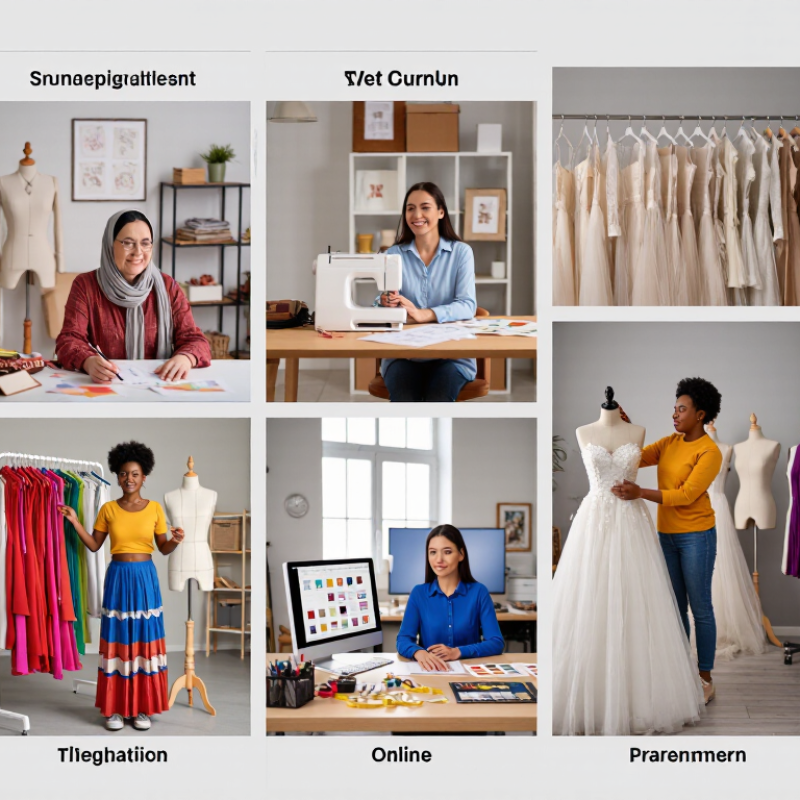
Choosing among the seven best places for a custom-made dress depends on your priorities. Consider a local tailor, bridal atelier, independent seamstress, online maker, theater costume studio, design-school workshop, or department custom service. Each option offers different skills, prices, and fitting support. A nearby professional usually provides easier alterations. An online maker may offer more fabric choices but fewer physical fittings.
Before ordering, request a clear consultation and bring reference photos. Ask who creates the pattern, where the dress is made, and how many fittings are included. Professional measurements should include your bust, waist, hips, shoulder width, and preferred hem length. A test garment, often called a muslin, can reveal tight seams before expensive fabric is cut. Check the fabric sample under natural light. Satin, linen, lace, and stretch materials behave very differently.
Confirm the delivery date in writing, especially for weddings or formal events. The agreement should explain deposits, revisions, cancellation terms, alteration fees, and care instructions. Read recent customer feedback carefully, including complaints about delays or poor communication. I would also ask for progress photos. That small step can prevent a major surprise. One common mistake is ordering too early and changing body measurements later. Another is choosing a dramatic design without considering sitting, walking, or bathroom access. Custom does not mean flawless. Even skilled makers may need a final adjustment. Leave time, budget, and patience for that reality.
| Place or Service Type | Best For | Typical Starting Price | Typical Lead Time | Fitting Process | What to Confirm Before Ordering |
|---|---|---|---|---|---|
| Local Bespoke Dressmaker | Personalized everyday, evening, or occasion dresses | About $300–$1,500+ | 4–12 weeks | Usually 2–4 in-person fittings | Design revisions, fabric sourcing, alteration fees, and the final delivery date |
| Bridal or Formalwear Atelier | Wedding gowns, formal gowns, and structured special-occasion dresses | About $1,000–$5,000+ | 4–9 months | Multiple fittings, often including a final hem appointment | Whether boning, lining, embellishment, pressing, and alterations are included |
| Independent Fashion Designer | Original designs, unusual silhouettes, and highly specific details | About $800–$4,000+ | 6–16 weeks | Consultation, sample fitting, and final fitting; varies by designer | Portfolio experience, ownership of the design, revision limits, and payment milestones |
| Specialty Tailor or Alteration Studio | A custom fit based on an existing pattern or a simple new design | About $150–$800+ | 2–8 weeks | One measurement session plus one or more try-ons | Experience with dresses, pattern-making capability, fabric requirements, and rush charges |
| Theater or Costume Workshop | Period costumes, stagewear, themed events, and dramatic designs | About $400–$2,500+ | 6–20 weeks | Measurements, mock-up fitting, and adjustments for movement | Wearability, durability, cleaning requirements, accessories, and return or rental terms |
| Online Made-to-Measure Studio | Convenient ordering when local fittings are not available | About $150–$1,200+ | 4–12 weeks, plus shipping | Self-measurement, video guidance, and possible local alterations | Measurement instructions, sample availability, remake policy, shipping time, and import duties |
| Textile or Sewing School Studio | Budget-conscious clients who are comfortable with a supervised process | About $100–$700+ | 6–18 weeks | Fittings scheduled around class or studio availability | Who completes the sewing, instructor oversight, material costs, and quality-control process |
Price and timing are typical planning ranges in U.S. dollars and can vary according to fabric, construction complexity, location, season, embellishment, and the number of fittings required.
You can choose a local tailor, independent seamstress, online maker, or specialist studio. A nearby professional usually offers easier fittings and alterations. Online services may provide more fabric choices, but fewer physical appointments.
Ask who creates the pattern and where the dress is made. Confirm the number of fittings, revision limits, total cost, and expected delivery date. Clear questions prevent expensive misunderstandings.
Measurements usually include your bust, waist, hips, shoulders, posture, and preferred hem length. Shoe height matters too. Bring the shoes you expect to wear.
A test garment, or toile, reveals tight armholes, uneven hems, and uncomfortable seams. It helps correct problems before expensive fabric is cut. Small adjustments can change the entire shape.
Request fabric samples and inspect them under natural light. Satin reflects light strongly, while linen may crease easily. Lace, crepe, and stretch fabrics behave differently.
Sit down, raise your arms, walk several steps, and move naturally. Check comfort, not only appearance. A beautiful photograph cannot show difficult bathroom access.
Confirm the deposit, revisions, cancellation terms, alteration fees, delivery date, and care instructions. Ask for progress photos. A small check can prevent a major surprise.
Leave time for a final fitting and minor adjustments. Custom does not mean flawless. Rushing may create avoidable discomfort, and schedules can change.
Avoid ordering far too early if your measurements may change significantly. Body changes can affect the final fit. Still, leaving no time is worse.
Finding the right answer to “where to get custom made dresses” begins with understanding your own needs, including the occasion, preferred silhouette, budget, fabric, and desired completion date. Before placing an order, prepare accurate measurements, reference images, and clear ideas about color, neckline, length, and comfort. When choosing a dressmaker, consider their experience, communication style, fitting process, fabric options, alteration policy, customer reviews, and ability to meet your deadline.
This guide introduces seven practical places to order custom-made dresses, from independent local designers and tailoring studios to specialized online services and appointment-based ateliers. It also explains what to expect during the process, including consultation, design approval, measurements, fittings, adjustments, and final delivery. To compare options fairly, look beyond the initial price by reviewing fabric quality, fitting support, alteration fees, shipping costs, and production timelines. A careful comparison can help you select a reliable service and receive a dress that fits well, reflects your personal style, and meets your expectations.

 hongye garment